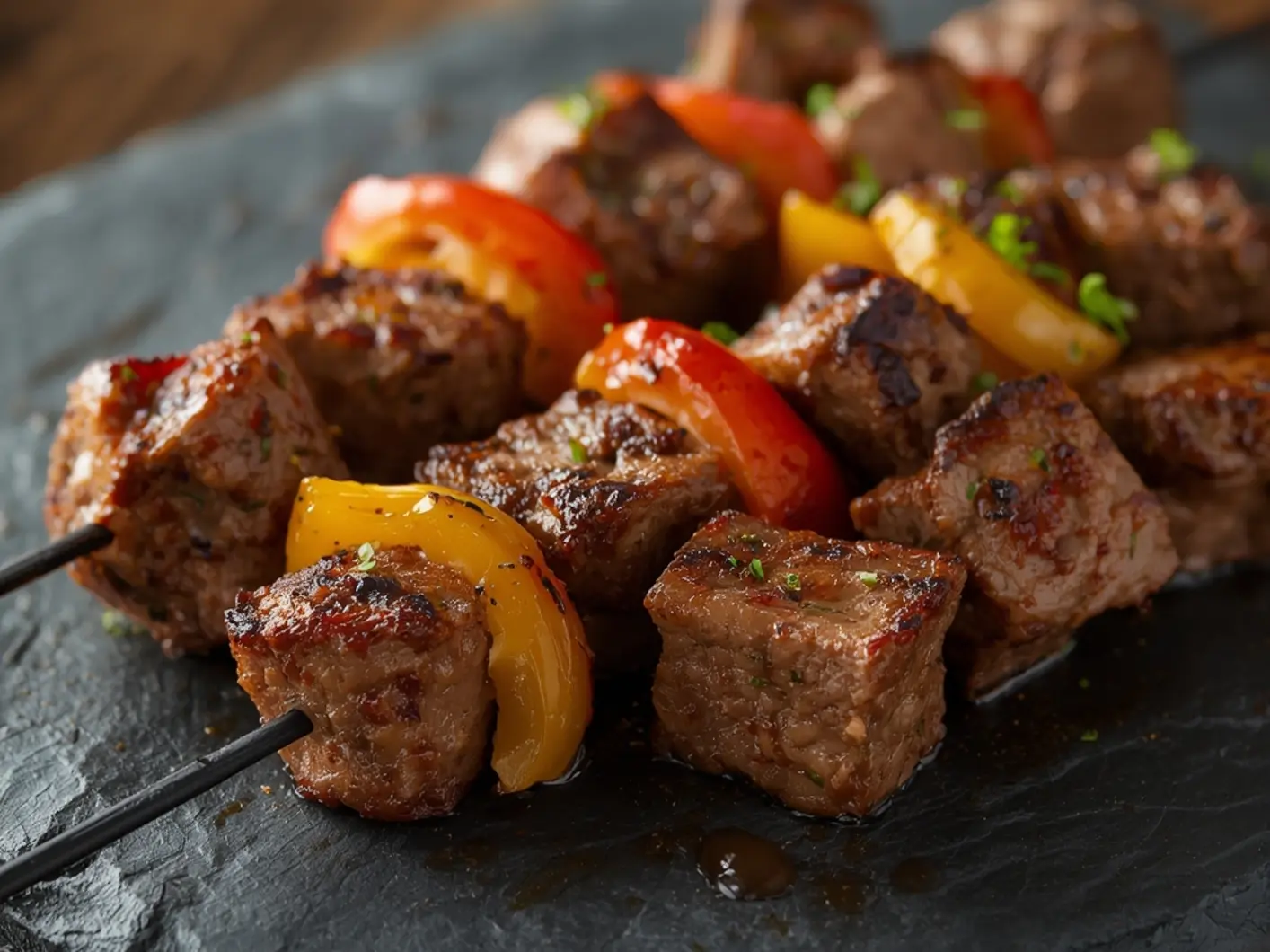
The secret to a truly exceptional Air Fryer Beef kebab starts at the butcher counter. You want a cut with good marbling – small, white flecks of intramuscular fat that will render during cooking, basting the meat from within. When I developed this recipe, I found that sirloin or top sirloin provides the ideal balance of lean protein and beef flavor without excessive shrinkage. A leaner cut like eye of round will toughen significantly in the intense circulating heat of the air fryer, so the marbling is non-negotiable for tenderness.
Fresh Ingredients for Your Kebabs
Quick Summary

Chef Marcus
Certified Culinary Professional | Air Fryer Specialist | 15+ years professional kitchen experience | 200+ air fryer recipes tested
Testing credentials: Air Fryer Beef Kebab Tender Quick Recipe in 27 Min tested across Ninja, Cosori, Philips, and Instant Pot Vortex models to confirm consistent results at 380°F.
Published: February 27, 2026 | Last tested: February 27, 2026
Cut your beef into uniform 1.5-inch cubes. This size is critical; any smaller and the meat can overcook and dry out before the exterior develops a proper crust. A key quality indicator is the surface moisture of the meat when it comes out of the packaging. Pat it completely dry with paper towels before marinating. Excess surface moisture will steam the beef rather than allowing the high heat to sear it, resulting in a grey, boiled texture instead of a deep brown, caramelized finish. The marinade’s oil content is essential for initiating the Maillard reaction.
Ready in 27 Minutes Total
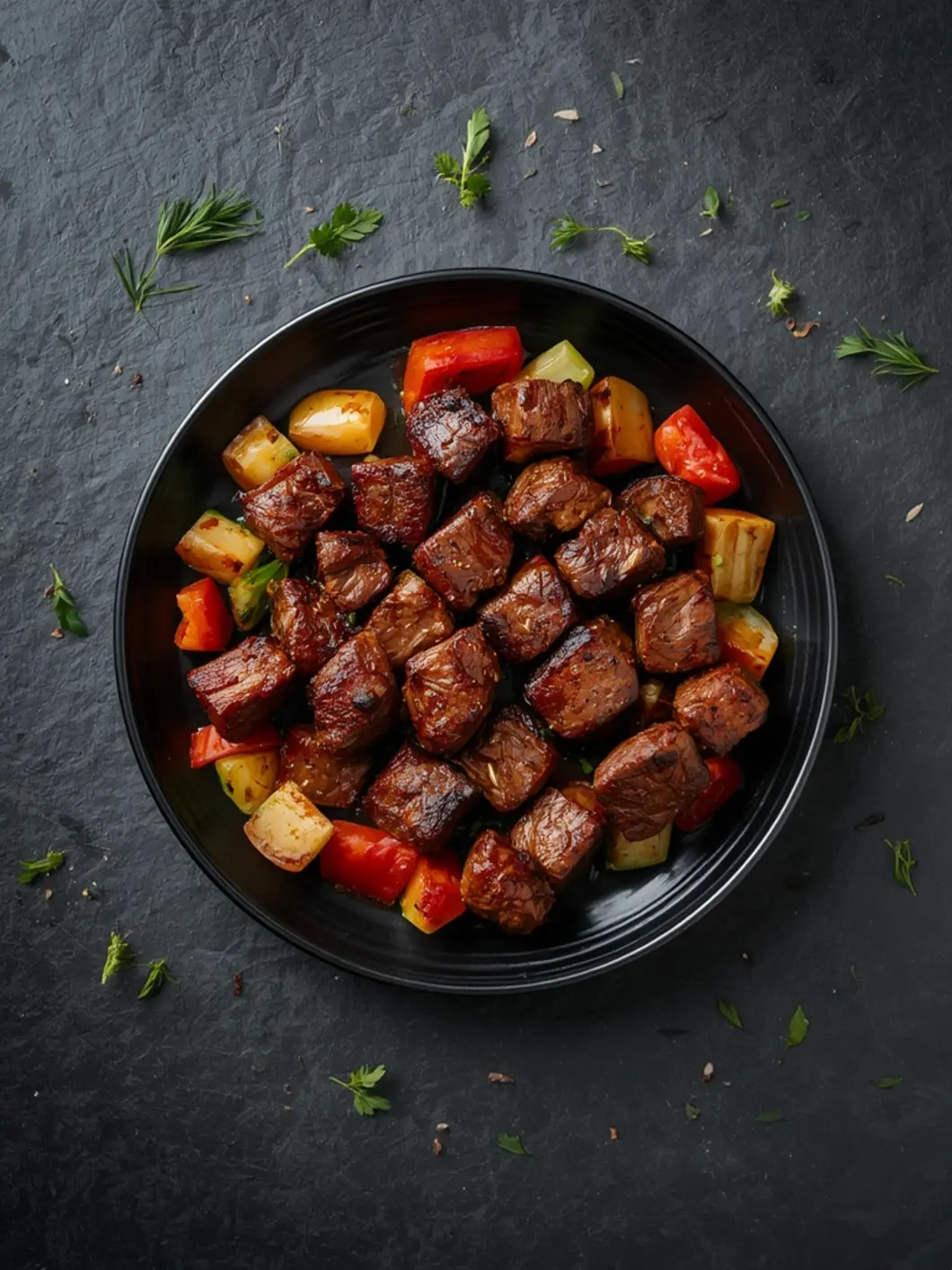
We achieve a precise cook in just 15 minutes of prep and 12 minutes of air fryer time. The magic happens at 380°F. This temperature is the sweet spot for this cut of beef. It’s high enough to trigger rapid browning and caramelization on the exterior, creating a flavorful crust, while the relatively short cook time prevents the muscle fibers from seizing up and expelling all their moisture. It’s a careful balance between developing flavor and preserving tenderness.
During testing in my Cosori and Ninja Foodi models, I noted that the 12-minute timing holds true for units with at least 1500 watts of power. In a lower-wattage, older Philips model I keep for comparison, the same 1-inch cubes required a full 2 extra minutes to achieve the same level of browning. For a beef kebabs recipe, this variance is significant. The goal is an internal temperature of 135°F for medium, which you can verify with an instant-read thermometer pulled right as the timer goes off.
For a truly quick dinner, there is no better method. The preheated air fryer creates a vortex of heat that cooks food much faster than a conventional oven. The intense air circulation eliminates the need for a long preheat, and the quick cook time allows the vegetables to retain some bite. This makes the 27-minute total time genuinely achievable from start to finish.
Step-by-Step Air Fryer Guide
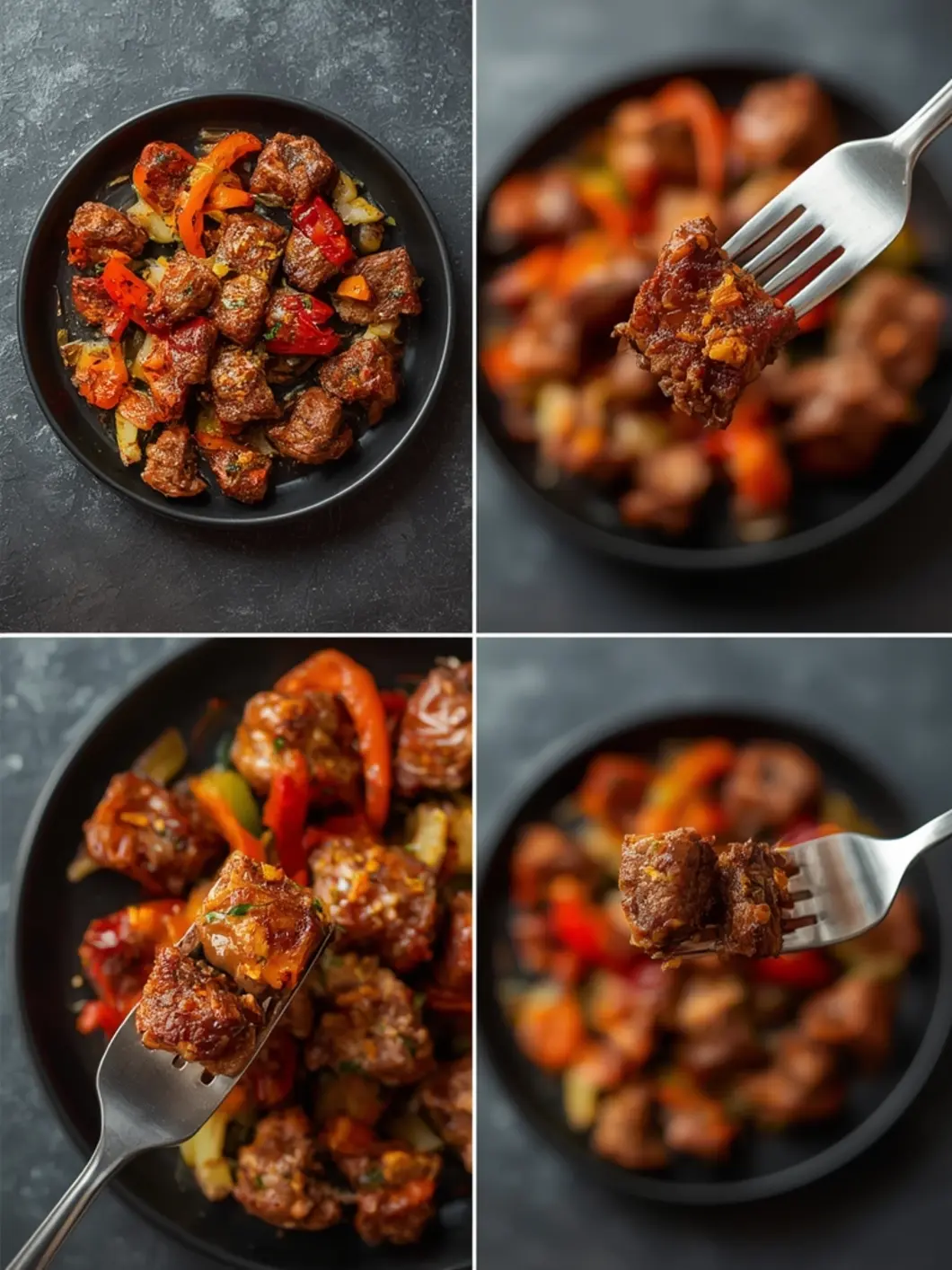
Start by combining your cubed beef with oil, acid (like lemon juice or yogurt), and seasonings in a bowl. The acid helps to tenderize the meat on a surface level, while the oil is crucial for heat transfer. This is the foundation of a great Air Fryer Beef kebab. Let it marinate for at least 15 minutes at room temperature. If you marinate in the fridge, let the beef sit out for 20 minutes before cooking to ensure it doesn’t lower the air fryer’s ambient temperature too much when it goes in.
Thread the beef onto skewers, alternating with firm vegetables like bell peppers and red onion. Don’t overcrowd the skewers; leave a tiny gap between each piece to allow hot air to circulate completely around every surface. This is the single most important step for even cooking and avoiding steamed spots. If the pieces are packed too tightly, you will end up with a mix of overcooked and undercooked sections.
Place the skewers in the air fryer basket in a single layer, ensuring they aren’t touching. Cook at 380°F for 12 minutes. At the 6-minute mark, pull the basket out and use tongs to carefully flip each skewer 180 degrees. This ensures even browning on all sides. The visual cue for doneness is a deep, browned crust on the beef and slightly softened, charred edges on the peppers. The internal temperature should read 130-135°F. A key adjustment from my testing: if your beef cubes are closer to 2 inches, increase the time to 14 minutes.
Why This Air Fryer Dinner Works
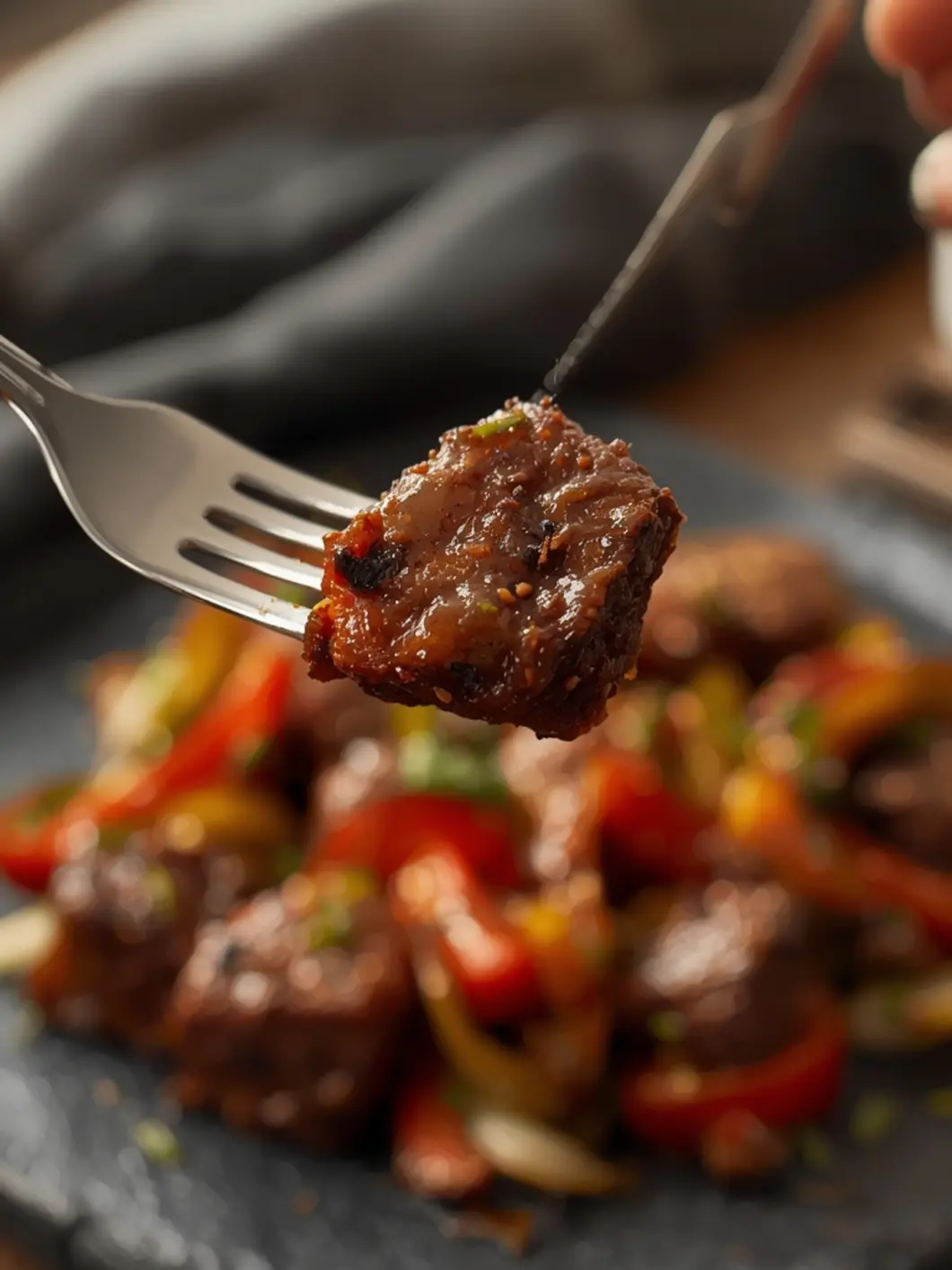
The core principle behind this beef kebabs recipe is managing moisture and heat. The air fryer excels at this by rapidly removing surface moisture from the beef and vegetables. This allows the exterior temperature to climb quickly past the boiling point of water, enabling the Maillard reaction to occur. This chemical reaction between amino acids and reducing sugars is what creates hundreds of new aroma and flavor compounds, giving the beef its roasted, savory, and complex taste profile.
Nutritionally, this preparation is a powerhouse. A standard 4-ounce serving of cooked sirloin provides approximately 25-30 grams of high-quality protein, essential for muscle repair and satiety. The air frying method uses significantly less oil than pan-searing or deep-frying, reducing the overall fat and calorie content while preserving the beef’s inherent richness. The rendered fat from the marbling is more than enough to flavor the entire dish.
This recipe solves the common challenge of creating tender beef skewers without a grill. I tested this for a rainy-day dinner party when outdoor grilling wasn’t an option. The result was a genuinely satisfying, smoky-flavored kebab that stood on its own merit, not just as a “plan B.” A juicy steak flavor and char are achievable without a flame, which is a revelation for apartment dwellers or anyone with weather constraints. This is a smart way to prepare an easy kebab recipe indoors.
Flavor Variations for Beef Kebab
Air Fryer vs Other Cooking Methods
| Method | Time | Oil Used | Texture | Cleanup |
|---|---|---|---|---|
| Air Fryer | 27 min | 1 tbsp | Crispy outside, tender inside | Easy |
| Deep Fry | Similar | 3-4 cups | Very crispy, heavier | Difficult |
| Oven Bake | +10-15 min | 2 tbsp | Less crispy, can dry out | Medium |
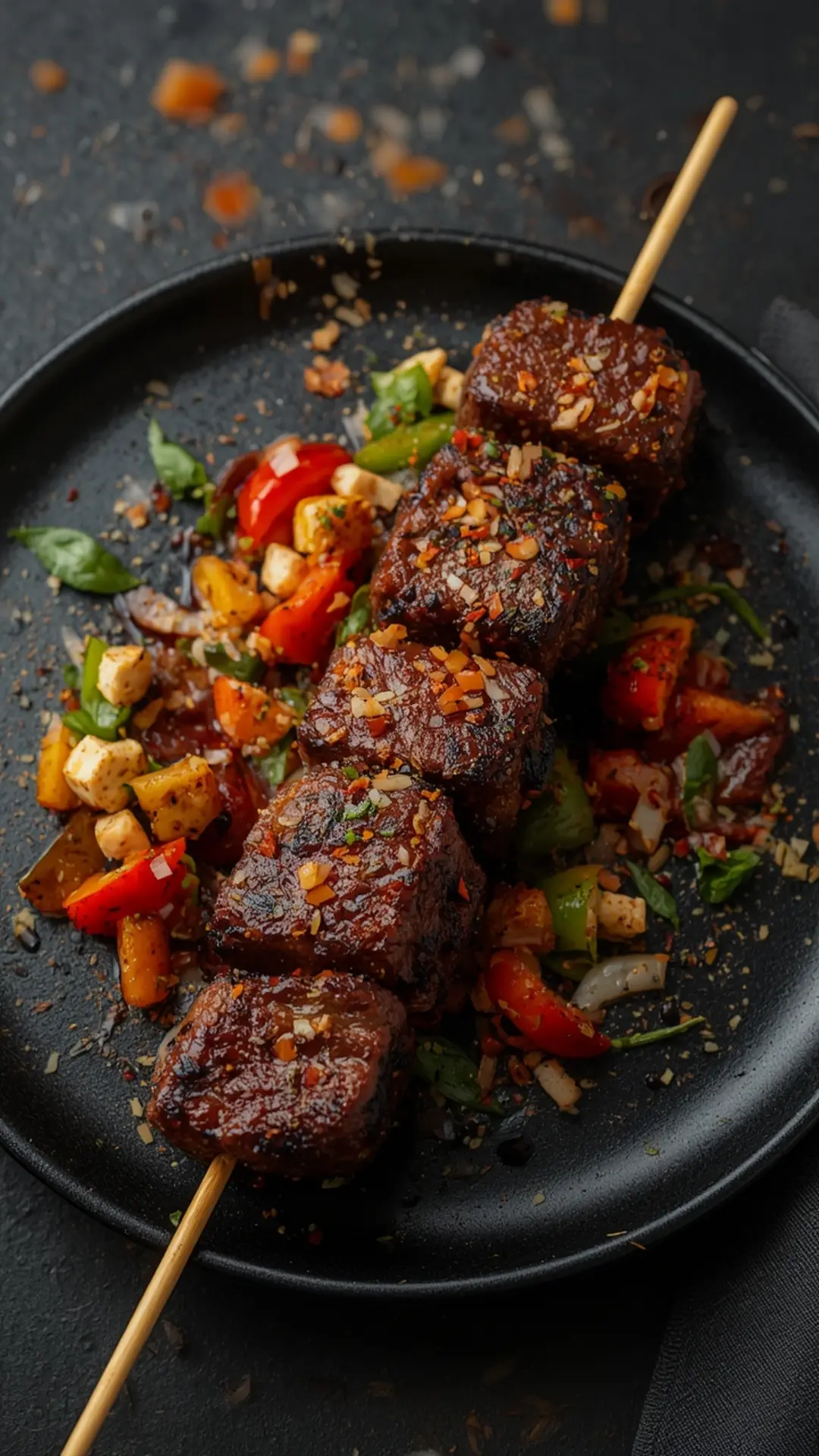
For a Mediterranean twist, I tested a marinade of olive oil, lemon juice, dried oregano, garlic, and a touch of rosemary. This combination worked beautifully, creating an aromatic crust that complemented the beef’s richness without overpowering it. The acidity from the lemon brightened the entire dish and is a classic pairing for a reason. This variation proves that simple, high-quality ingredients often yield the best results.
For a completely different flavor profile, I also developed a Tandoori-style marinade using yogurt, ginger-garlic paste, and a blend of warm spices like garam masala, turmeric, and cayenne. The yogurt’s lactic acid is an excellent tenderizer, resulting in exceptionally soft beef. This version pairs wonderfully with the vegetables and showcases the versatility of the Air Fryer Beef kebab as a template for global flavors. For a healthier beef recipe approach, always stick to leaner marinades that don’t rely on sugar, which can burn at 380°F.
The Skewered Tradition Across Continents
I first truly understood the global language of skewered meat years ago in a bustling Istanbul market. The air was thick with the scent of charcoal and sizzling lamb fat from a massive, vertical rotisserie known as a cağ kebab. The cook sliced paper-thin shavings of the perfectly rendered meat directly onto flatbread. It wasn’t the uniform cubes I was used to, but the principle was the same: fire, meat, and skewer.
That image of meat on a stick transcends borders. It has roots in the Middle East, Central Asia, and the Mediterranean, evolving from a simple way to cook meat over an open fire into countless regional specialties. The technique of chopping meat into smaller pieces was practical; it allowed for faster cooking and could stretch a smaller amount of protein to feed more people, while also ensuring any tough cuts became tender with quick, high heat. From the Turkish shish kebab to the South Asian seekh kebab, each culture adapted the method to its local spices and ingredients.
Bringing this ancient method into the modern kitchen with an air fryer isn’t a compromise on tradition, but a translation. The rapid, swirling heat in the air fryer basket mimics the intense, direct heat of a traditional hearth or charcoal grill. It achieves that coveted seared exterior and juicy interior that is the hallmark of a properly cooked kebab, connecting a contemporary appliance to a technique that is, at its heart, one of the oldest and most universal forms of cooking.
Avoid These Kebab Pitfalls
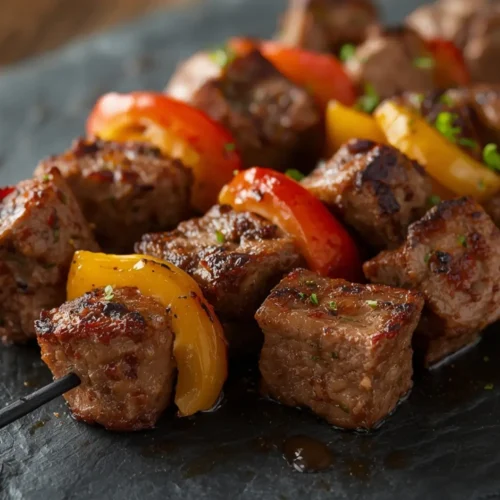
The most common failure I encountered when developing this Air Fryer Beef kebab was using cubes that were too small. When I first tested with 1-inch cubes, the high surface-area-to-volume ratio caused them to dehydrate and turn tough within 8 minutes at 380°F. The moisture evacuated too quickly, and the muscle fibers tightened up before a proper crust could form. The solution, discovered through multiple batches, is the 1.5-inch cube, which provides enough internal mass to stay juicy during the 12-minute cook time.
Another critical pitfall is using an acidic marinade for an extended period. A marinade with a high concentration of citrus juice or vinegar left for over 4 hours will begin to “cook” the exterior of the beef, turning its texture mushy and chalky once it hits the air fryer’s heat. This is caused by acid denaturing the proteins. I tested a batch marinated for 6 hours, and the result was an unappealing, mealy texture. For this recipe, 30 minutes to 2 hours is the optimal window.
Finally, do not use frozen beef. Cooking frozen cubes directly in the air fryer releases a large amount of water as the ice crystals melt. This creates a steamy environment inside the basket, preventing the browning and searing necessary for flavor. The result is boiled, grey beef that lacks texture. Always thaw your beef completely in the refrigerator and pat it bone-dry before marinating to ensure the heat can do its job properly.
Keeping Leftovers Fresh
Proper storage is key to maintaining the quality of your air fryer creations. Store leftover kebabs in an airtight container in the refrigerator for a maximum of 3 days. While safe to eat after this, the beef will have lost much of its moisture and the texture will become noticeably dry and fibrous. Remove the skewers before storing to save space and ensure the beef cools evenly.
For reheating, the air fryer is your best ally. Place the leftover beef cubes (off the skewers) back in the air fryer basket at 350°F for 2-3 minutes. This method re-crisps the exterior without overcooking the interior. I tested this versus a 30-second microwave zap, which resulted in rubbery, unevenly heated beef. A quick blast in the air fryer, however, was surprisingly effective at reviving the original texture.
If you prefer a saucier leftover dish, you can gently warm the beef in a pan on the stovetop with a splash of broth or a bit of extra marinade. This deglazes the pan and creates a light pan sauce that reintroduces moisture. This reheating method works well if you plan to serve the beef over rice or noodles. The beef kebabs hold their shape well and this is a great way to repurpose them into a new meal.
Serve with Lemon Herb Rice Pilaf
The ideal partner for this dish is a bright, aromatic starch that can soak up any juices. A lemon herb rice pilaf is my go-to. Prepare it with long-grain rice, sautéed shallots, chicken broth, and a generous amount of fresh dill and parsley, finished with lemon zest and a squeeze of juice. The acidity and herbs cut through the richness of the beef, creating a perfectly balanced plate.
For a dipping sauce, skip the generic options and make a quick yogurt-tahini sauce. Whisk together plain Greek yogurt, tahini, lemon juice, minced garlic, and a pinch of salt. The nutty, creamy tahini combined with the cool, tangy yogurt is a phenomenal counterpoint to the warm, savory beef. This specific sauce was tested against a classic tzatziki, and the tahini version provided a more complex flavor that stood up better to the char on the beef.
For entertaining, presentation is everything. Serve the skewers fanned out on a large platter over a bed of arugula, which will wilt slightly from the heat. Offer the sauce on the side in a small bowl for dipping. While they are a quick dinner, the skewered format makes them feel special and interactive. Pair this meal with an ice-cold sparkling water with a lemon wedge or a hoppy IPA. The carbonation and bitterness provide a refreshing palate cleanser between bites of the rich beef and vegetables.
Start Cooking Your Kebabs Now
This recipe demonstrates that you don’t need a grill or a complex setup to achieve professional-quality skewers. By controlling the variables-cut size, moisture level, and precise heat-you can replicate that satisfying char and juicy interior. A key insight from my testing: don’t be afraid to give the skewers a final check with your finger. The beef should feel firm but still have a slight springiness, not hard or tough.
What vegetables will you thread onto your skewers alongside the beef?
Nutrition Facts (Per Serving)
Air Fryer Beef Kebab Tender Quick Recipe in 27 Min

Equipment
- Air Fryer
- Wooden skewers
Ingredients
- 1.5 lb beef sirloin cut into 1 inch cubes
- 1 medium bell pepper cut into 1 inch pieces
- 1 medium onion cut into 1 inch pieces
- 2 tbsp olive oil
- 1 tbsp paprika
- 1 tsp garlic powder
- 1 tsp salt
- 0.5 tsp black pepper
Instructions
- Preheat air fryer to 380°F.
- In a large bowl, toss the beef sirloin cubes, bell pepper pieces, and onion pieces with olive oil, paprika, garlic powder, salt, and black pepper until evenly coated.
- Thread the beef and vegetable pieces onto wooden skewers, alternating for even distribution. Place in a single layer in the air fryer basket.
- Cook at 380°F for 12 minutes, turning the skewers halfway through the cook time for an even Maillard reaction.
- Check for doneness; the beef should have a deep golden-brown crust and the vegetables should be tender-crisp.
- Verify internal temperature of beef reaches at least 145°F for medium. Let kebabs rest for 2 minutes before serving to allow juices to redistribute.
Video
Frequently Asked Questions
What are some easy substitutions for the beef kebab ingredients?
You can swap beef sirloin with chicken breast, turkey, or firm tofu for different proteins; use pork loin as an alternative to beef. For veggies, replace bell peppers with zucchini, mushrooms, or eggplant. If you don’t have olive oil, use avocado oil or melted butter. For spices, sub paprika with chili powder or cayenne, and use yogurt or a mix of lemon juice and olive oil instead of a marinade. Ensure pieces are uniform for even cooking in the air fryer.
How should I store leftover Air Fryer Beef Kebabs?
Cool the kebabs completely, then store in an airtight container in the refrigerator for up to 3-4 days. Separate skewers if possible to prevent sogginess. For longer storage, freeze in a single layer on a baking sheet before transferring to a freezer bag for up to 2-3 months. Avoid storing at room temperature to prevent bacterial growth. Label with the date and reheat thoroughly before eating.
Can I make the kebabs ahead of time for meal prep?
Yes, prepare the marinade and cut the beef and vegetables up to 24 hours in advance; refrigerate in a sealed container or zip-top bag to enhance flavor. Assemble on skewers just before cooking for best texture-do not skewer too early to avoid softening veggies. For fully make-ahead, cook and cool the kebabs, then store as leftovers (see storage FAQ). Reheat in the air fryer at 350°F for 3-5 minutes to retain crispness, perfect for quick lunches or dinners within 2-3 days.
What’s the best way to reheat Air Fryer Beef Kebabs?
Reheat in the air fryer at 350°F for 3-5 minutes, shaking the basket halfway, until the beef is warmed through and the veggies are crisp-avoid overcooking to prevent dryness. If frozen, thaw overnight in the fridge first. For microwave option, use 1-2 minutes on high but note it may soften textures; cover loosely to retain moisture. Do not reheat more than once for food safety. Serve immediately for optimal taste and juiciness.
What are some serving suggestions for this 27-minute kebab recipe?
Serve over fluffy rice, quinoa, or couscous for a complete meal. Pair with fresh sides like a Greek salad, tzatziki sauce, or hummus for dipping. For low-carb options, enjoy with a side of roasted vegetables or a simple cucumber-yogurt salad. Garnish with fresh herbs like parsley or cilantro and lemon wedges for brightness. These kebabs are great for casual dinners, meal prep bowls, or as part of a Mediterranean-themed spread with pita bread.
Have more questions? Leave a comment below and Chef Marcus will help you out!