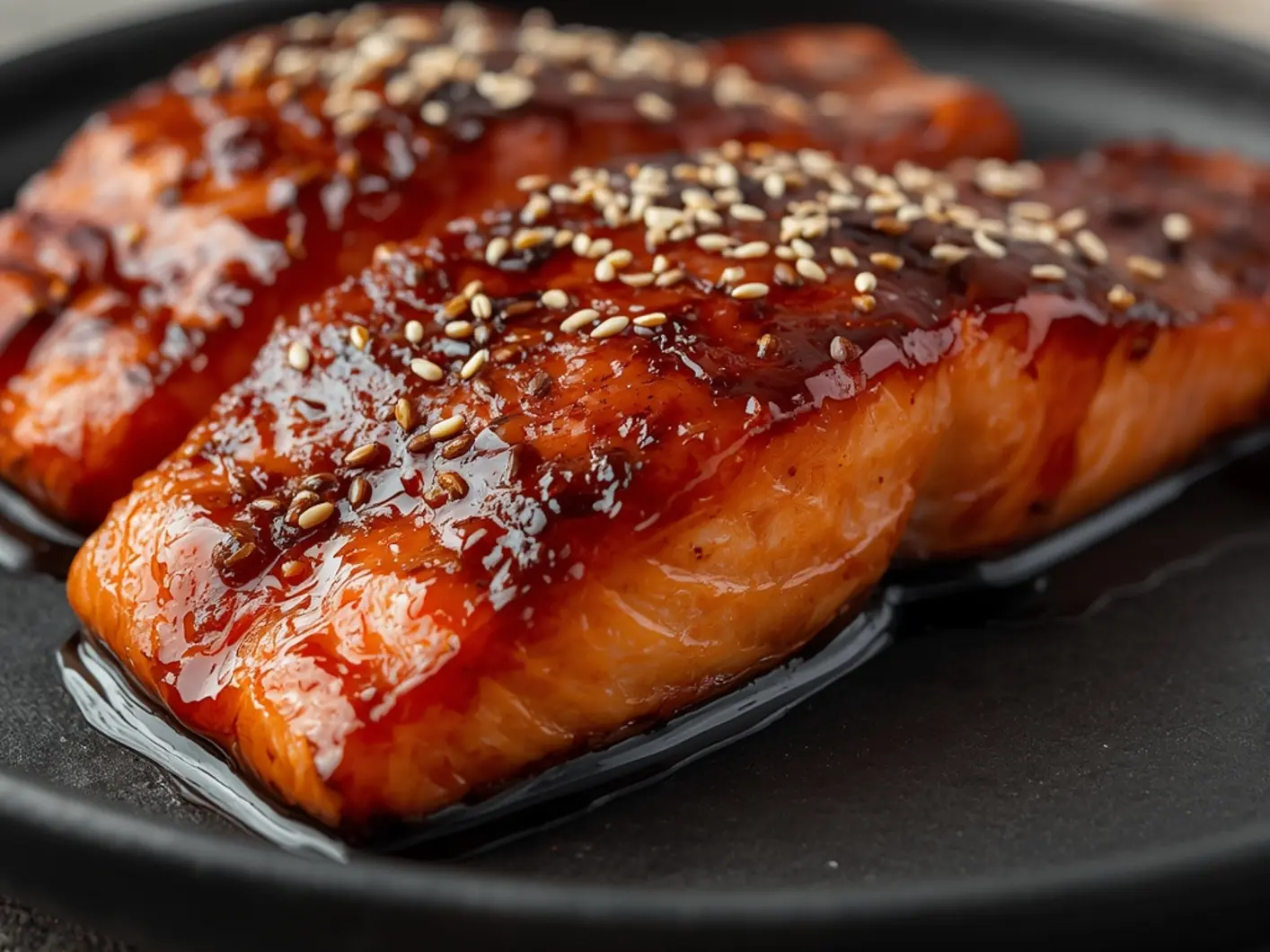
There are few weeknight victories as satisfying as a perfectly cooked piece of salmon. In a professional kitchen, achieving that ideal balance of a caramelized crust and a tender, flaky interior requires constant attention at the stove. The air fryer, however, replicates that high-heat convection environment with remarkable consistency. My approach to Air Fryer Miso Glazed Salmon focuses on controlling moisture and heat to deliver a restaurant-quality finish in under 15 minutes.
Essential Ingredients for Miso Glazed Salmon

The foundation of this dish lies in the quality of the fish and the balance of the glaze. You need center-cut salmon fillets, approximately 6 ounces each, with the skin on. The skin acts as a protective barrier against the intense heat of the air fryer, keeping the flesh moist. For the glaze, white miso paste is essential; it provides a savory umami depth without overpowering the delicate flavor of the fish.
Combine the miso with mirin, which adds sweetness and acidity, and a touch of soy sauce for saltiness. A small amount of grated fresh ginger adds a sharp, aromatic lift that cuts through the richness of the salmon. If you prefer a slightly sweeter profile, a teaspoon of honey or maple syrup works wonders. Ensure your air fryer basket is clean and, if necessary, lightly coated with a high-smoke-point oil to prevent sticking during the glazing stage.
Prep and Cook Time Perfection
Timing is critical when working with delicate proteins in an air fryer. Unlike an oven, the rapid air circulation cooks food much faster, meaning there is a narrow window between perfectly moist and overcooked. For this recipe, you are looking at a total active prep time of about 5 minutes. The cook time will range between 8 to 10 minutes depending on the thickness of your fillets and the specific model of your appliance.
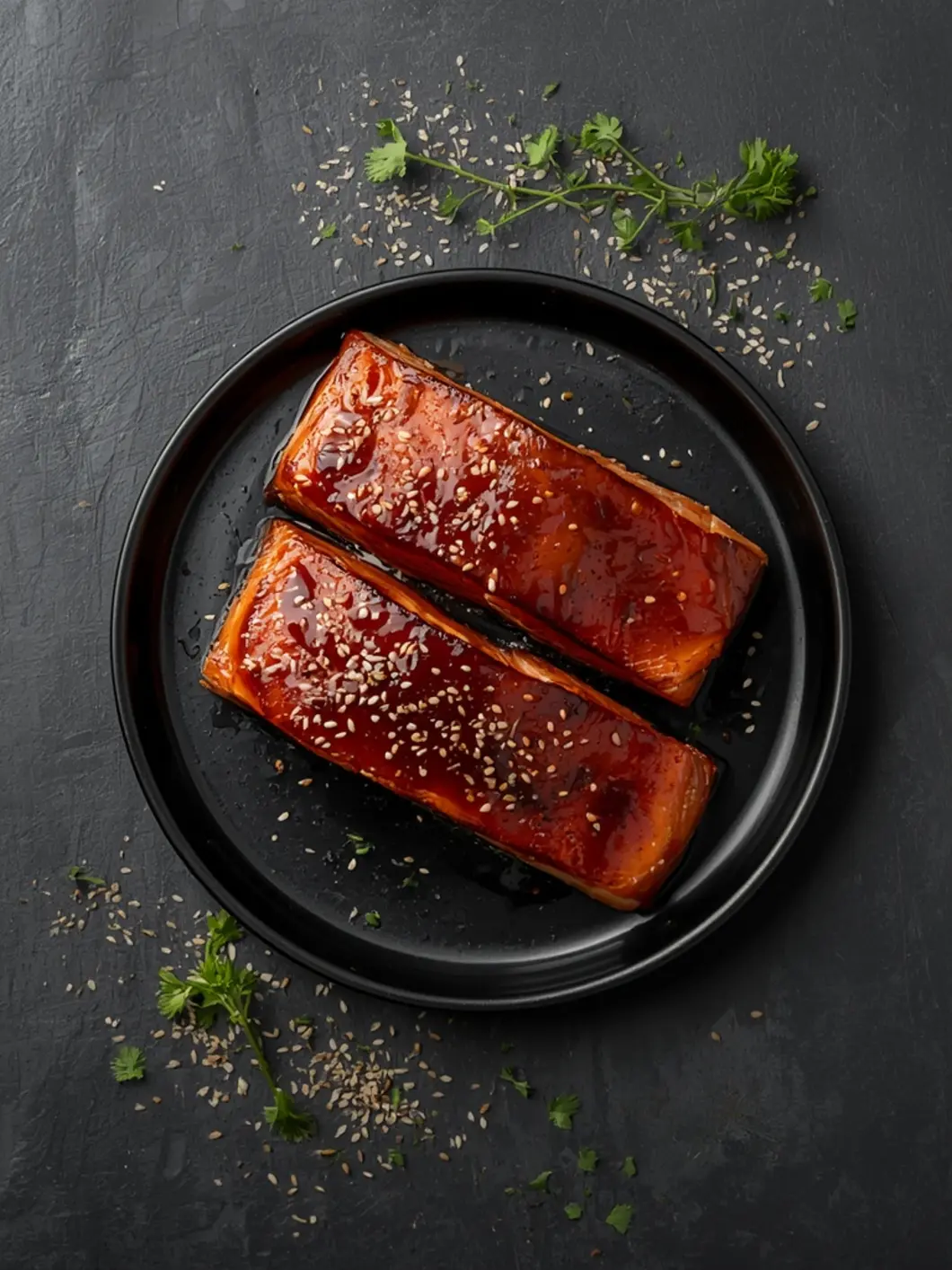
Preheating the air fryer to 380°F (193°C) for 3 minutes is a step I highly recommend. It ensures the cooking chamber is stable the moment the salmon enters. If you skip this, the initial cook time will be inconsistent. For this specific Air Fryer Miso Glazed Salmon, the goal is an internal temperature of 125°F to 130°F for medium doneness, which usually happens right around the 9-minute mark.
How to Air Fry Miso Salmon
Start by patting the salmon fillets completely dry with paper towels. Moisture is the enemy of browning, and we want a slight sear on the fish before the glaze sets. Rub a tiny amount of neutral oil on the flesh side, then season lightly with salt and pepper. The salt helps draw out a little moisture, which aids in forming a crust.
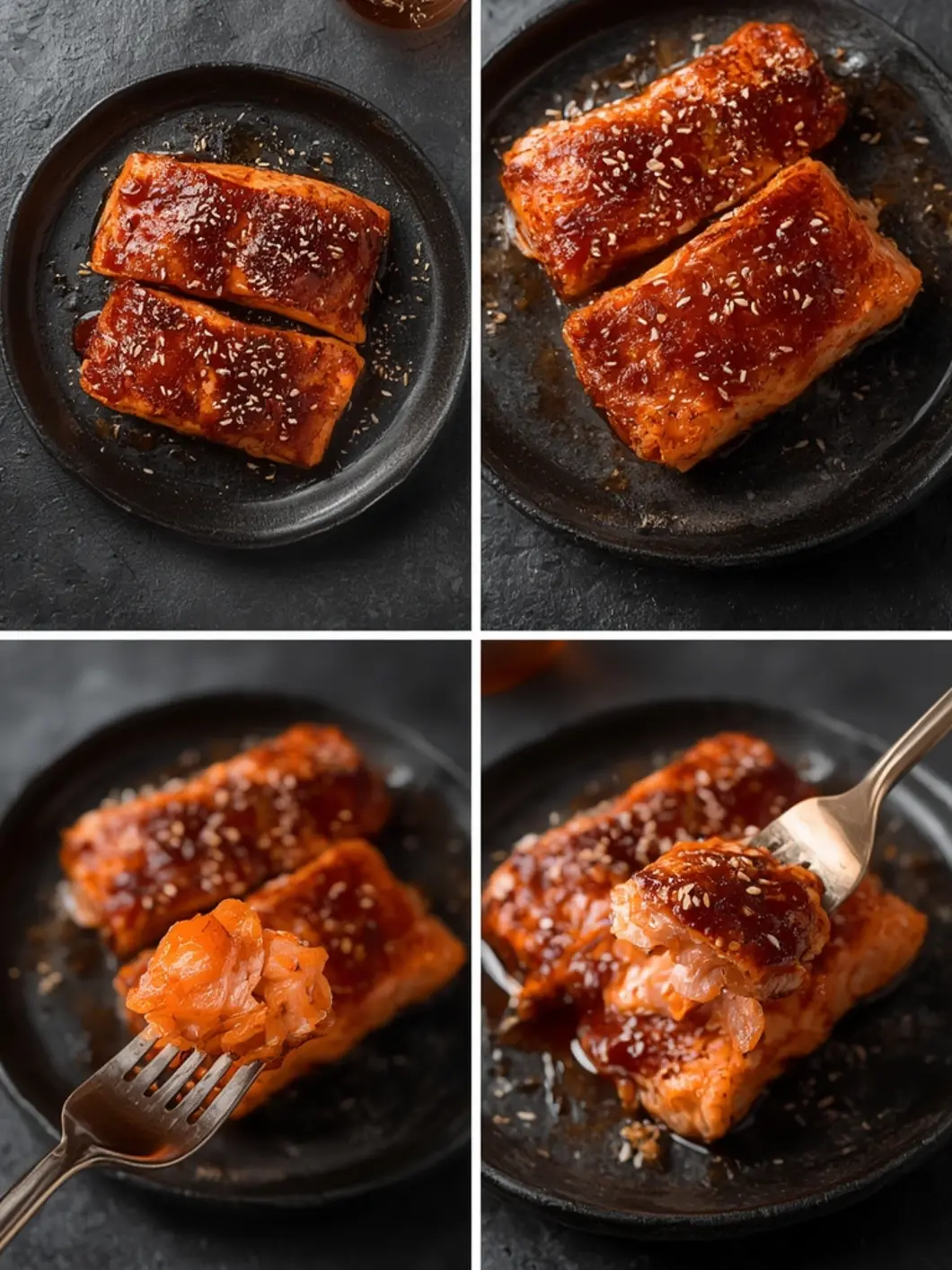
Place the salmon fillets in the air fryer basket, skin-side down. Do not overcrowd the basket; leave space between the fillets for air to circulate. Cook for 5 minutes undisturbed. This initial phase cooks the fish about 60% of the way through. While it cooks, whisk your glaze ingredients together in a small bowl. Remove the basket and brush the glaze generously over the top of the fillets. Return the basket to the air fryer and cook for another 3 to 4 minutes. Watch closely during these final minutes; the sugars in the miso and mirin can burn quickly if left too long.
Why This is Your New Favorite Dinner
This dish transforms a simple protein into a complex, savory meal with minimal effort. It is the ultimate bridge between healthy eating and indulgent flavor. The beauty of an air fryer salmon is the texture contrast-the sticky, caramelized top against the buttery interior. It feels like a dish you spent an hour preparing, yet it comes together in the time it takes to steam some broccoli or cook a pot of rice.
It also serves as a fantastic base for other flavor profiles. Once you master the technique of glazing in the air fryer, you can adapt this to become a miso salmon staple or branch out into teriyaki or gochujang variations. For a light summer meal, a quick fish recipe like this, paired with a citrusy salad, is unbeatable. It fits perfectly into a rotation of healthy air fryer meals because it requires very little added fat to achieve a delicious result.
Serving Suggestions and Swaps
While this Air Fryer Miso Glazed Salmon is a star on its own, it plays well with others. I recommend serving it over a bowl of steamed jasmine rice to soak up the excess glaze. For a low-carb alternative, cauliflower rice works beautifully. Sautéed bok choy, asparagus, or snap peas provide a crisp, green counterpoint that complements the savory notes of the miso.
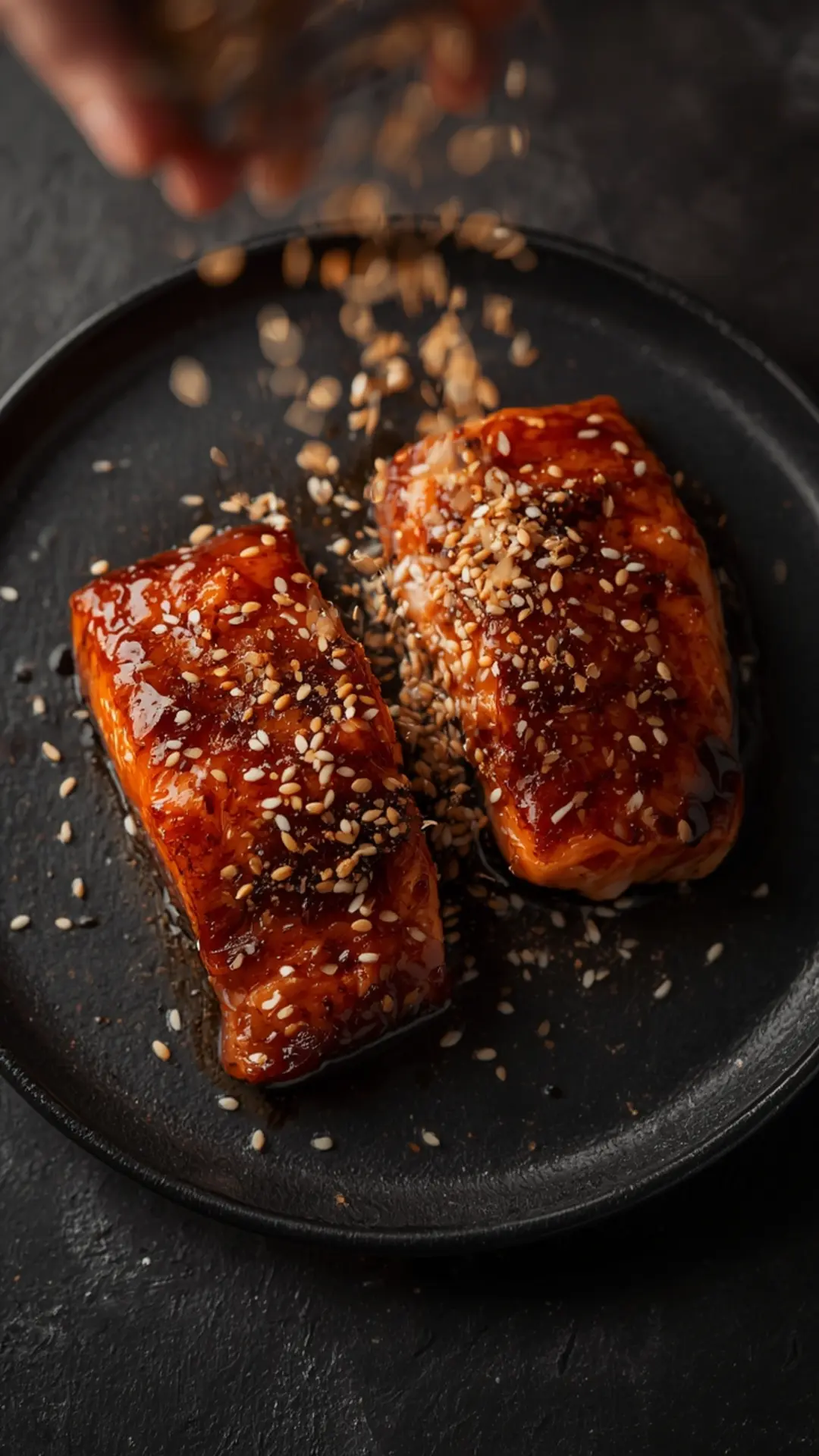
If you are looking for a Japanese salmon twist, sprinkle toasted sesame seeds and thinly sliced scallions over the cooked fillets immediately before serving. If you don’t have mirin, you can substitute it with a dry sherry or a splash of white wine plus a pinch of sugar. For a glazed salmon without soy, coconut aminos are a suitable alternative, though you may need to reduce the cooking time slightly as the glaze will be thinner.
Avoid These Common Glazing Mistakes
The most common error I see with this recipe is applying the glaze too early. Miso paste is dense and contains sugars; if you coat the fish from the very beginning, it will scorch and turn bitter before the salmon is cooked through. Always treat the glaze as a finishing layer, applied during the last few minutes of cooking.
Another pitfall is overcrowding the air fryer basket. Air circulation is the mechanism that makes the air fryer work. If fillets are touching or stacked, they will steam rather than roast, resulting in soggy skin and a pale glaze. Finally, avoid buying pre-mixed “miso glaze” from the store. Homemade miso, mirin, and ginger mixture is far superior in flavor and allows you to control the sodium content, which is key for a healthy Air Fryer Miso Glazed Salmon.
Storing and Reheating Leftover Salmon
If you have leftovers, store them in an airtight container in the refrigerator for up to 2 days. Salmon is best enjoyed fresh, but cold leftovers can be flaked over a salad for lunch the next day. When you are ready to reheat, avoid the microwave at all costs; it will dry out the fish and ruin the texture of the glaze.
To reheat, place the salmon back in the air fryer at a lower temperature, around 300°F (150°C), for 2 to 3 minutes. This gently warms the center without overcooking the exterior. This technique works well for reheating air fryer salmon generally, but be extra gentle with the glaze to prevent it from darkening further.
Ready to Make Air Fryer Dinners Tonight?
We have walked through the essential ingredients, the precise timing, and the techniques to avoid common pitfalls. This recipe proves that you do not need complicated equipment or hours of prep to put a gourmet meal on the table. The combination of high-heat airflow and a savory-sweet miso glaze is a winning formula for any home cook.
Gather your ingredients and trust the process. In just a few minutes, you will have a beautiful, golden-brown fillet that is moist on the inside and sticky on the outside. Tonight, make your kitchen the best restaurant in town with this Air Fryer Miso Glazed Salmon. It is a reliable, delicious easy salmon dinner that will become a staple in your weekly rotation.
Nutrition Facts (Per Serving)
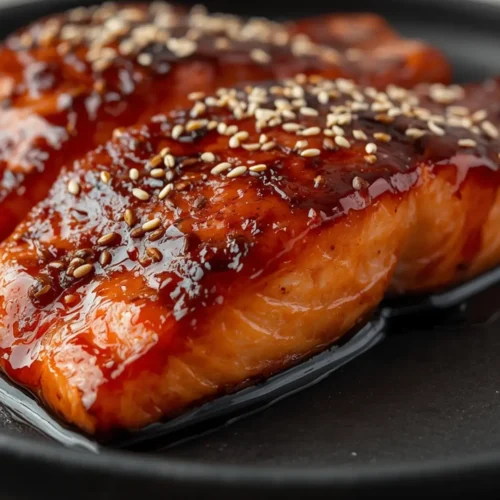
Juicy Air Fryer Miso Glazed Salmon

Equipment
- Air Fryer
- Small Mixing Bowl
- Whisk
- Measuring Spoons
Ingredients
Main Ingredients
- 2 filets Salmon skin-on or skinless
For the Glaze
- 2 tbsp White Miso Paste shiro miso
- 1 tbsp Honey or Maple Syrup
- 1 tbsp Soy Sauce low sodium
- 1 tsp Rice Vinegar
- 1 tsp Sesame Oil
Instructions
- In a small bowl, whisk together the miso paste, honey, soy sauce, rice vinegar, and sesame oil until smooth.
- Pat the salmon fillets completely dry with paper towels to ensure the glaze sticks and the fish cooks evenly.
- Brush the miso glaze generously over the top and sides of the salmon fillets.
- Preheat your air fryer to 380°F (190°C) for 3 minutes.
- Place the salmon in the basket, skin-side down if applicable, leaving space between pieces.
- Air fry for 6-8 minutes depending on thickness, until the glaze is caramelized and the salmon flakes easily.
- Remove immediately and garnish with sesame seeds and green onions.
Video
Frequently Asked Questions
Can I use a different fish or make substitutions for the miso glaze?
Yes. You can use trout, arctic char, or thick cod fillets instead of salmon. If avoiding miso, substitute with an equal amount of low-sodium soy sauce plus 1 tablespoon maple syrup or honey, or use an equal amount of white or yellow miso in place of red miso for a milder flavor. If you don’t have mirin, replace it with honey or maple syrup plus a splash of rice vinegar. For gluten-free, use tamari instead of soy sauce. For dairy-free/gluten-free, ensure your miso is gluten-free (some barley miso contains gluten).
How should I store leftovers and how long will they keep?
Cool the salmon completely and store it in an airtight container in the refrigerator for up to 2 days. To prevent drying, add a spoonful of the glaze or a drizzle of olive oil over the fish before sealing. For longer storage, freeze in a tightly wrapped, portioned package for up to 2 months. Thaw overnight in the refrigerator before reheating.
Can I prep this ahead of time?
Yes. You can whisk the glaze and refrigerate it for up to 5 days. Marinate the salmon in the glaze for 30-60 minutes in the fridge for best flavor and texture. If you prefer to marinate longer, keep it to a maximum of 4 hours to avoid the fish becoming too salty. For meal prep, portion the salmon and glaze in separate small containers; assemble and air fry just before serving for maximum juiciness.
What’s the best way to reheat without drying it out?
Reheat gently. Air fry at 300°F (150°C) for 2-4 minutes until just warmed through. Alternatively, cover and warm in a 275-300°F (135-150°C) oven for 6-8 minutes, or microwave at 50% power in 20-30 second bursts. If reheating from frozen, thaw in the fridge first. Adding a fresh brush of glaze or a small splash of oil before reheating helps keep it juicy.
What are some good serving suggestions?
Serve with steamed jasmine or short-grain rice, sesame-garlic greens (like broccolini or bok choy), and a cucumber-sesame salad. Spoon any extra glaze over the fish and rice, and finish with sliced scallions, toasted sesame seeds, and a squeeze of lemon or lime. It also works well in a rice bowl with pickled ginger, avocado, and edamame, or alongside miso soup and quick-pickled radishes.
Have more questions? Leave a comment below and we’ll help you out!