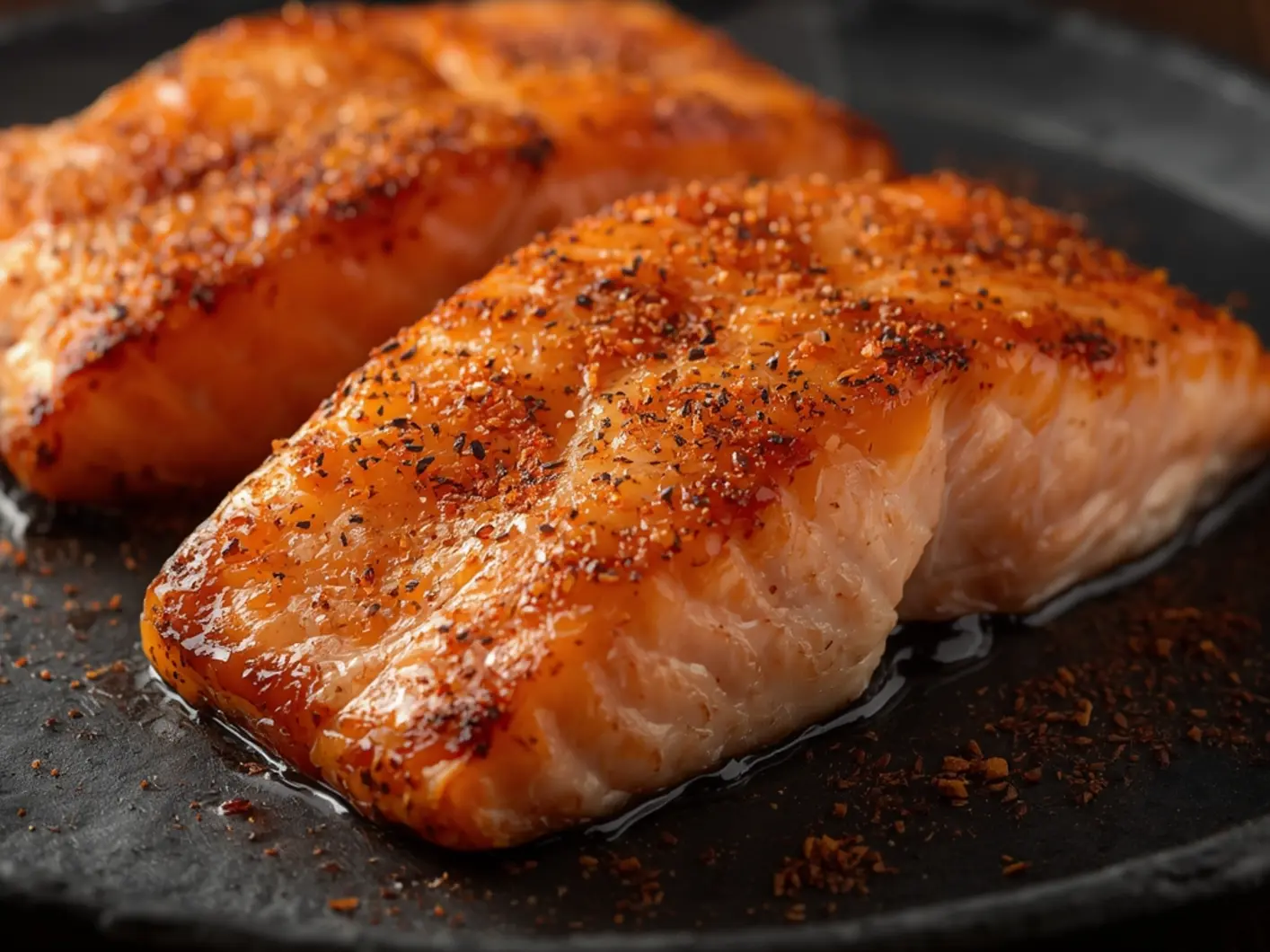
The journey to a perfectly cooked piece of fish often feels intimidating, but mastering the Air Fryer Salmon Seasoning unlocks a world of culinary possibilities. This technique leverages rapid air circulation to seal in moisture while creating a beautifully crisp exterior, rivaling any high-end restaurant preparation.
Essential Ingredients and Tools for Your Air Fryer Salmon Seasoning

High-quality ingredients are the foundation of any great dish, especially when working with delicate proteins. For this recipe, you will need two salmon fillets, preferably center-cut for even thickness, olive oil, kosher salt, and freshly cracked black pepper.
The supporting aromatics include fresh lemon slices, minced garlic, and unsalted butter. These components create the essential lemon butter sauce that elevates the fish.
Your tool kit is straightforward yet specific. A digital instant-read thermometer is non-negotiable for perfect doneness. You will also need a reliable non-stick air fryer basket or a silicone liner to prevent sticking.
Prep and Cook Time for Quick Salmon Recipe
The active preparation time for this dish is approximately 5 minutes. This makes it an ideal candidate for those seeking a air fryer salmon solution on hectic evenings.
The cooking time will vary slightly based on the thickness of your fillets and the specific model of your appliance. Generally, you are looking at 7 to 9 minutes at 400°F (200°C).
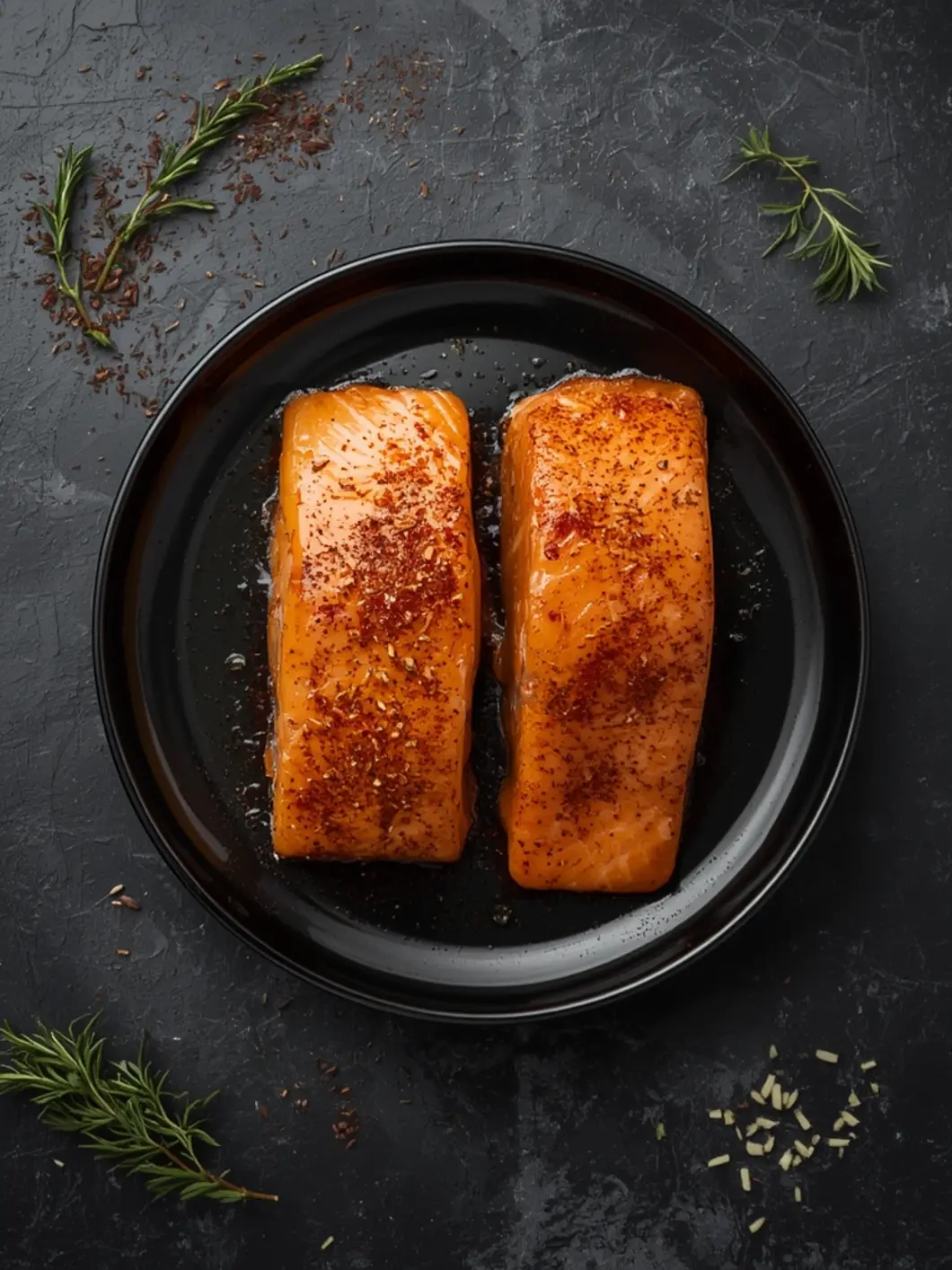
Preheating the air fryer for 3 minutes ensures the cooking environment is stable. This rapid heat application is crucial for achieving that signature crust without drying out the interior.
How to Apply Air Fryer Salmon Seasoning Perfectly
Start by patting the salmon fillets completely dry with paper towels. Moisture is the enemy of crispiness, so removing surface water allows the oil and seasonings to adhere better.
Brush the fillets lightly with olive oil. This step aids in heat conduction and helps the seasoning blend adhere to the flesh. It also promotes that desirable golden finish.
Apply your salt and pepper generously on all sides of the fish. While the lemon butter comes later, a solid base seasoning ensures every bite is flavorful from the inside out.
Place the seasoned fillets in the air fryer basket, skin-side down if they have skin. Ensure there is space between them for airflow; overcrowding leads to steaming rather than air frying.
Cook for roughly 6 minutes, then carefully open the basket. At this stage, you will add the butter and lemon slices directly to the fish or the bottom of the basket.
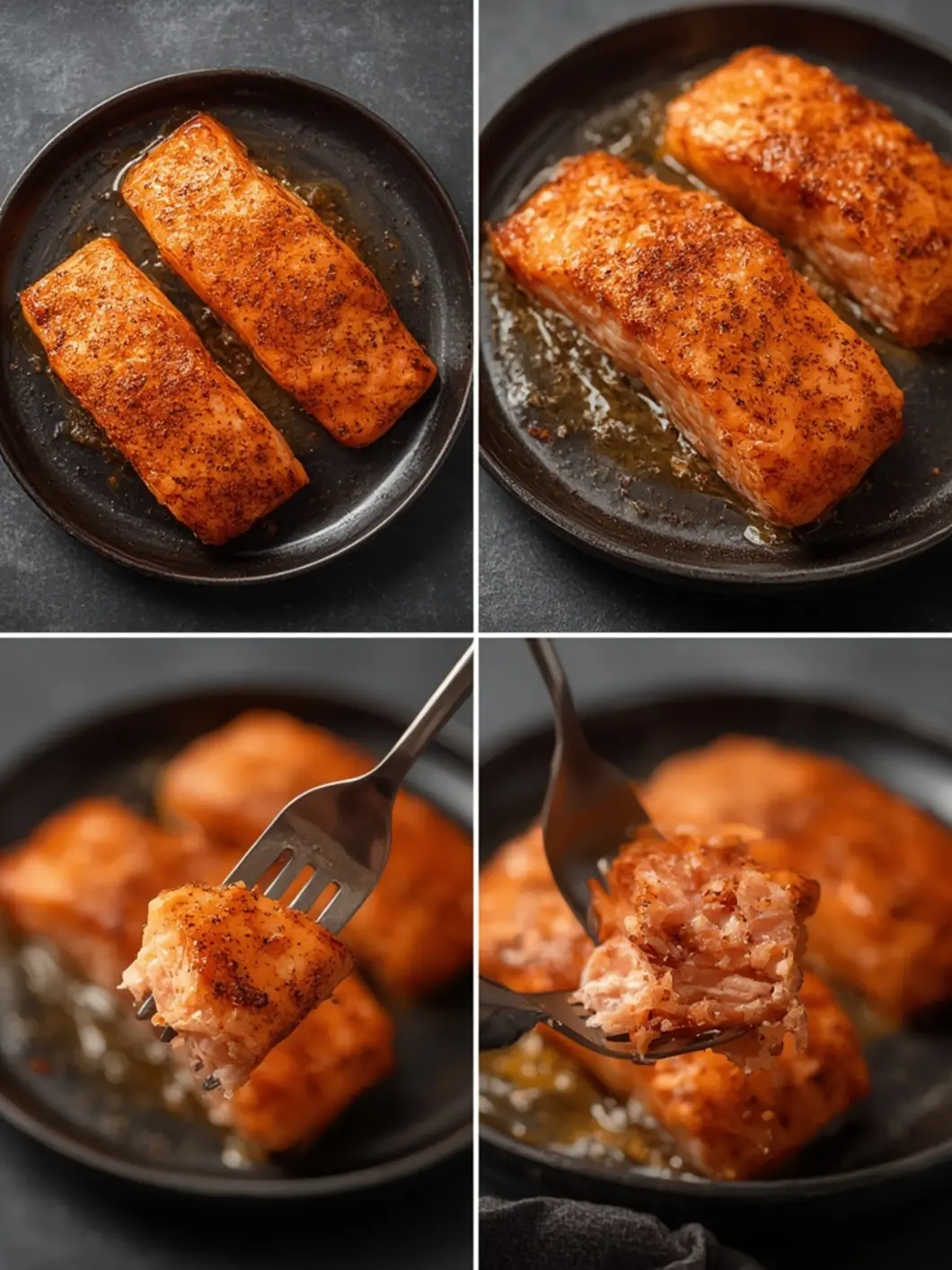
Return the basket to the unit and cook for another 2 to 3 minutes. You are looking for the internal temperature to reach 125°F for medium-rare or 135°F for medium.
Baste the fish with the melted lemon butter pooling at the bottom during the last minute. This finishing technique infuses the fish with bright citrus and rich butter notes.
Remove the salmon immediately and let it rest for 2 minutes before serving. Resting allows the juices to redistribute, ensuring a moist and tender fillet every time.
Why This Salmon Seasoning Creates Healthy Weeknight Meals
This preparation method is a powerhouse of nutrition without sacrificing flavor. Salmon is naturally rich in omega-3 fatty acids, which are essential for heart and brain health.
By using the air fryer, you drastically reduce the amount of added fats compared to pan-searing. The excess fat from the fish actually renders and drips away during the cooking process.
This fits perfectly into a roster of healthy air fryer recipes because it preserves nutrients that are often lost in high-heat boiling or frying. It is a clean-eating approach that doesn’t taste “diet.”
Many people struggle to cook fish because they fear it will be dry. However, this specific salmon seasoning method, combined with the air fryer’s convection technology, locks in the natural juices.
The result is a protein-rich dinner that supports muscle maintenance and metabolic function. It is a guilt-free way to enjoy a luxurious meal on a Wednesday night.
Flavor Variations for Your Air Fryer Salmon
Once you master the base recipe, the flavor profiles are endless. For a smoky, barbecue-inspired twist, swap the lemon butter for a glaze made from maple syrup and smoked paprika.
If you prefer Mediterranean flavors, replace the lemon with orange slices and add a sprinkle of dried oregano and fennel seeds. This creates a bright, aromatic profile that pairs well with roasted vegetables.
For those who enjoy a bit of heat, incorporate cayenne pepper or chili flakes into your base air fryer salmon seasoning. A dash of sriracha mixed into the butter creates a spicy glaze that is addictive.
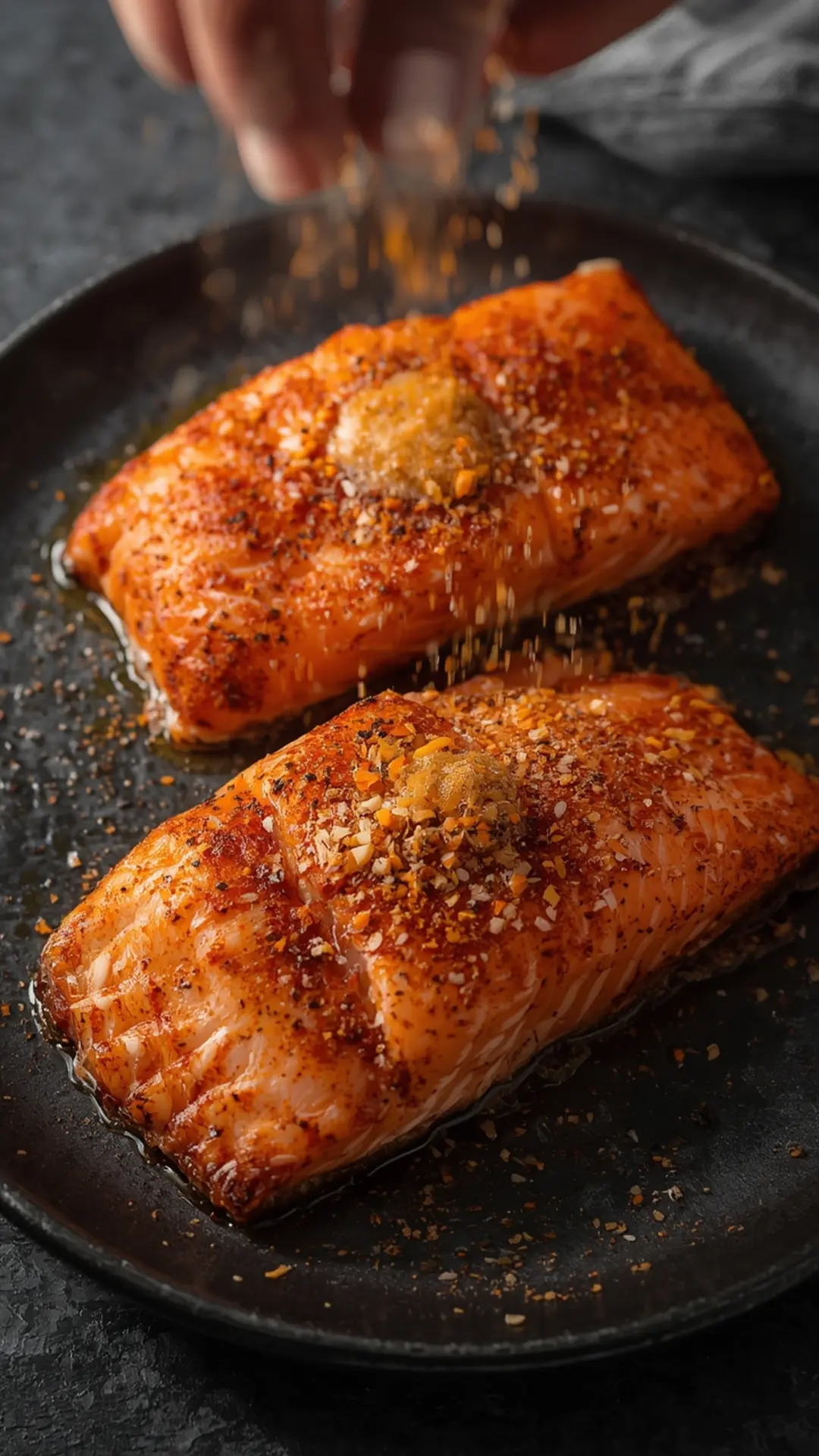
Herb crusts are another fantastic option. Press finely chopped parsley, dill, and chives onto the fillets before cooking. The herbs will crisp up in the air fryer, adding texture and a garden-fresh taste.
Consider a soy-ginger glaze for an umami boost. Whisk together soy sauce, grated ginger, and a touch of honey. Brush this on during the last few minutes of cooking to create a sticky, caramelized finish.
Common Mistakes to Avoid When Cooking Salmon in an Air Fryer
One of the most frequent errors is overcooking. Salmon continues to cook after you remove it from the heat source (carryover cooking). Pull it out when it still looks slightly translucent in the very center.
Neglecting to preheat the appliance is another pitfall. A cold basket disrupts the searing process, often resulting in a rubbery texture rather than a tender flake.
Using too much oil can also be problematic. While you need some fat, an excess will cause smoke and may result in a greasy final product. A light brush is sufficient for this quick salmon recipe.
Finally, never place the salmon directly onto a dirty basket without a liner. The delicate skin and flesh can fuse to the metal, making cleanup difficult and ruining the presentation. Always ensure a clean surface or use parchment paper.
Storing and Reheating Leftover Air Fryer Salmon
Proper storage is essential to maintain the quality of the fish. Allow the salmon to cool completely to room temperature, then place it in an airtight container in the refrigerator.
It will stay fresh for up to 2 days. Beyond that, the texture tends to degrade significantly, and the risk of spoilage increases.
Reheating in the microwave is generally discouraged as it tends to rubberize the fish. The best method to revive your leftovers is to return them to the air fryer.
Place the cold salmon back into the air fryer basket and heat at 300°F for 2 to 3 minutes. This gentle approach helps re-crisp the exterior without overcooking the center.
Ready to Make This Air Fryer Dinner Tonight?
This recipe proves that healthy eating does not have to be bland or time-consuming. By following these precise steps, you can achieve a restaurant-quality meal in under 15 minutes.
The combination of the specific Air Fryer Salmon Seasoning and the rich lemon butter glaze transforms a simple ingredient into a culinary highlight.
It is the perfect solution for anyone seeking an easy dinner that impresses family members and guests alike. You have the tools, the technique, and the flavor profiles to succeed.
Gather your ingredients, preheat your machine, and get cooking. Your perfect plate of air fryer salmon is just minutes away.
Nutrition Facts (Per Serving)
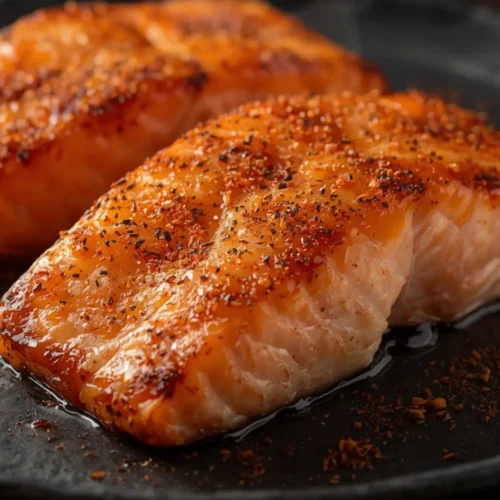
Juicy Air Fryer Salmon Seasoning With Lemon Butter Glaze

Equipment
- Air Fryer
- Small Mixing Bowl
Ingredients
Main Ingredients
- 1.5 lbs salmon fillets skin-on, 4 fillets
- 1 tbsp olive oil melted butter works too
- 1 tsp garlic powder
- 1 tsp smoked paprika
- 0.5 tsp dried dill
- 0.5 tsp sea salt
- 0.25 tsp black pepper
For the Glaze
- 2 tbsp butter melted
- 1 tbsp fresh lemon juice
Instructions
- Pat the salmon fillets completely dry with paper towels to ensure the skin gets crispy.
- In a small bowl, whisk together the olive oil, garlic powder, smoked paprika, dill, salt, and pepper to create a paste.
- Rub the seasoning paste evenly over the top and sides of each salmon fillet, avoiding the skin side.
- Preheat your air fryer to 400°F (200°C) for 3 minutes. Place salmon skin-side down in the basket in a single layer.
- Cook for 10-12 minutes depending on thickness. The salmon should flake easily with a fork.
- While cooking, whisk together the melted butter and lemon juice for the glaze.
- Remove salmon from the air fryer and immediately brush with the lemon butter glaze before serving.
Video
Frequently Asked Questions
What are good substitutions if I’m out of an ingredient?
For the salmon: Cod, halibut, or trout work well (adjust cook time). For the glaze: Swap butter with ghee or olive oil; use lime or orange instead of lemon; dried herbs like oregano or dill can stand in for fresh. Low-sodium? Use a salt-free seasoning blend and reduce added salt. Soy allergies? Replace soy sauce/tamari with coconut aminos or omit and add a splash of vinegar. No honey? Use maple syrup or agave.
How should I store leftovers, and how long do they keep?
Refrigerate in an airtight container for up to 2 days. For best texture, remove the glaze or store it separately. To freeze: cool completely, wrap portions tightly, and freeze up to 2 months; thaw overnight in the fridge. Reheating notes below.
Can I prep the seasoning or glaze ahead of time?
Yes. Mix the seasoning blend and store it airtight at room temperature up to 1 month. The lemon butter glaze can be made up to 5 days ahead and refrigerated (reheat gently to liquid before using). You can marinate the salmon for 20-30 minutes before cooking; avoid longer as the lemon juice can start to ‘cook’ the fish.
What’s the best way to reheat without drying out the salmon?
Air fryer: 300°F/150°C for 3-4 minutes until just warmed through (brush with a little extra butter or oil). Oven: wrap portions in foil with a teaspoon of water or butter and warm at 275°F/135°C for 8-10 minutes. Microwave: use low power in 20-30 second bursts, ideally covered. Always add a fresh drizzle of warm glaze after reheating.
How should I serve and what sides pair well?
Drizzle with the warm lemon butter glaze and finish with fresh dill, parsley, and lemon zest. Great sides: roasted asparagus or green beans, garlic rice or quinoa, baby potatoes, couscous, or a crisp arugula salad. For meal prep, serve over cauliflower rice or greens, and store the glaze separately to add after reheating.
Have more questions? Leave a comment below and we’ll help you out!