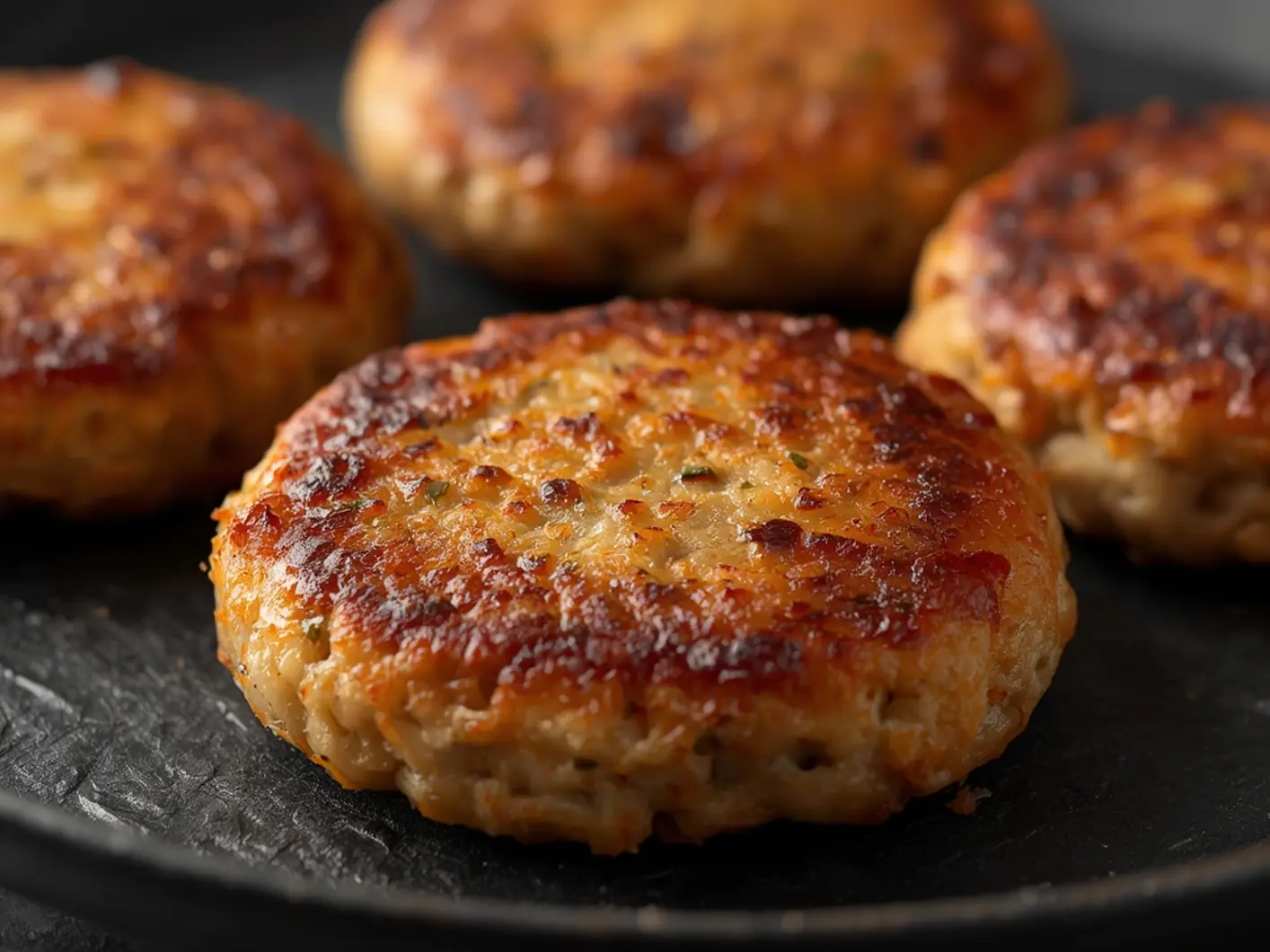
There’s a technical wall every home cook hits with frozen sausage: the steam trap. During my tests, I watched a thermal probe spike past 200°F inside the patty while the casing remained frustratingly pale. The culprit wasn’t the heat level; it was the airflow stagnation against the basket’s metal mesh.
Quick Summary
5 min
10 min
15 min
4
Easy
Achieving the Frozen Sausage Patties in Air Fryer method required a counterintuitive step-flipping them earlier than intuition suggests to break the surface tension of the rendered fat.
Essential Tools and Ingredients for Air Fryer Sausage Patties

You don’t need much to execute this technique, but the quality of the tool matters more than the quantity. I recommend using a digital kitchen scale to verify patty weights; a 1.5-ounce patty behaves differently than a 2-ounce one in terms of moisture retention.
The most critical tool is actually your air fryer’s basket surface. I strictly avoid non-stick liners or parchment paper here. The metal mesh is the conductor of heat, and obstructing it kills the Maillard reaction on the bottom of the patty. If you are looking for air fryer frozen sausage results that mimic a diner sear, you need direct contact.
Ingredients are simple: just the frozen patties themselves. However, if you own a brand that uses a collagen casing, you might notice a slight “snap.” Brands using cellulose wrappers tend to blister more evenly.
Perfect Cooking Times and Temperatures
The science of air frying relies on dry heat and rapid convection. For this specific recipe, the sweet spot for rendering fat without drying out the lean meat is consistent.
I set my unit to 380°F. This temperature is hot enough to render the fat quickly, which then helps fry the exterior, but it isn’t so hot that the exterior burns before the center reaches a safe internal temperature.

Regarding the duration, we are working with a 10-minute cook time. This is the target window where the texture shifts from rubbery to tender.
The total time commitment from freezer to plate is just 15 minutes, including 5 minutes of prep (arranging and flipping). This efficiency is what defines truly quick air fryer meals.
The Crispiest Method: Step-by-Step Air Fryer Guide
First, preheat your air fryer to 380°F. While it comes to temperature, arrange the frozen patties in a single layer. Do not stack them; overlap is the enemy of crispiness.
Cook the patties for exactly 5 minutes at 380°F. You will likely see small pools of oil forming around the edges of the patties. This is the rendered fat doing its work.
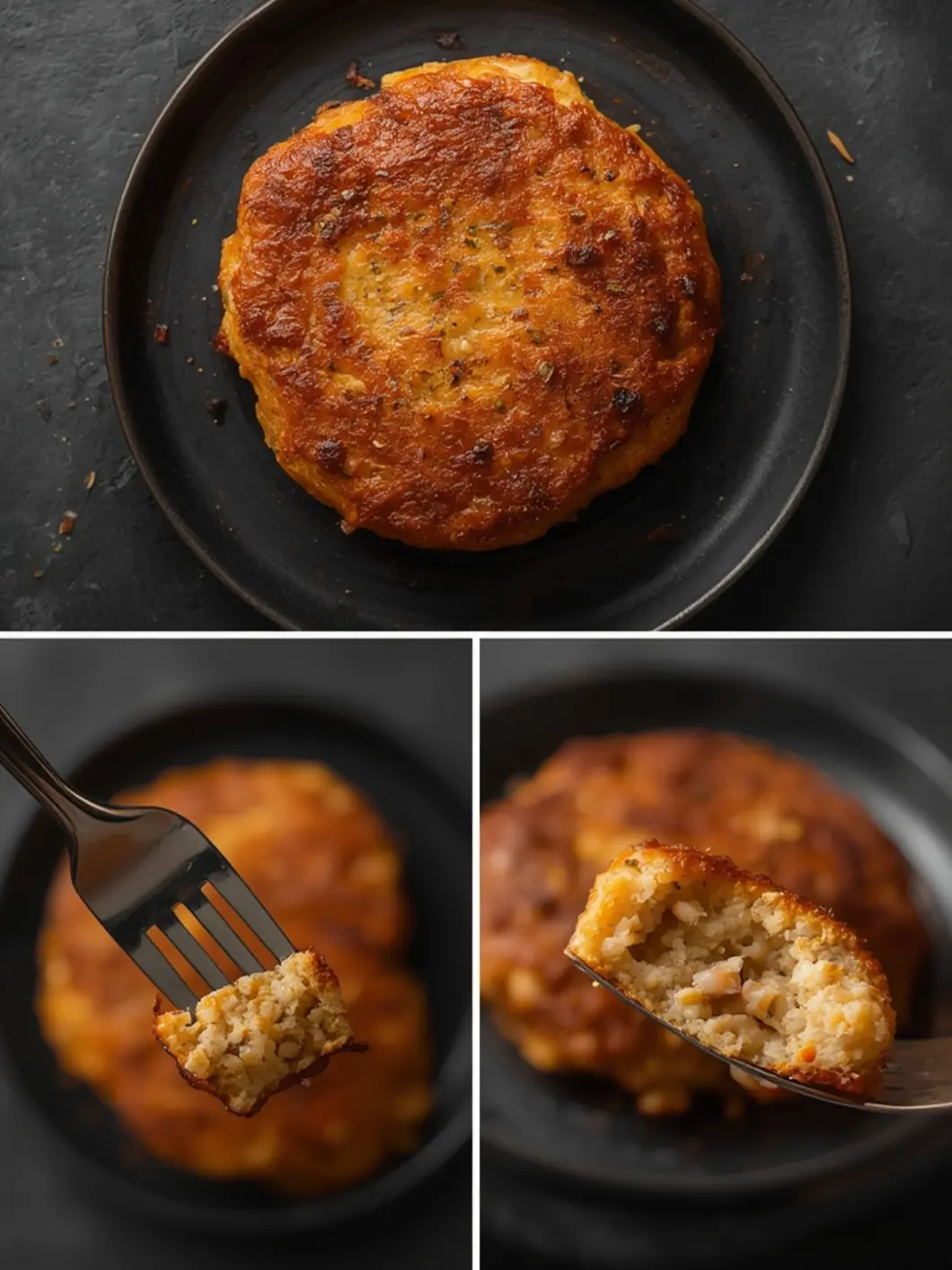
Remove the basket carefully and use tongs to flip each patty. You should see a distinct golden-brown crust on the side that was facing down. Return the basket to the air fryer.
Cook for the remaining 5 minutes at 380°F. Watch for visual cues: the patties should look plump and have darkened to a deep mahogany brown.
Remove the patties and let them rest on a paper towel for 1 minute. This allows the juices to redistribute so the patty doesn’t crumble when cut.
Why This Method is Superior to Stovetop Cooking
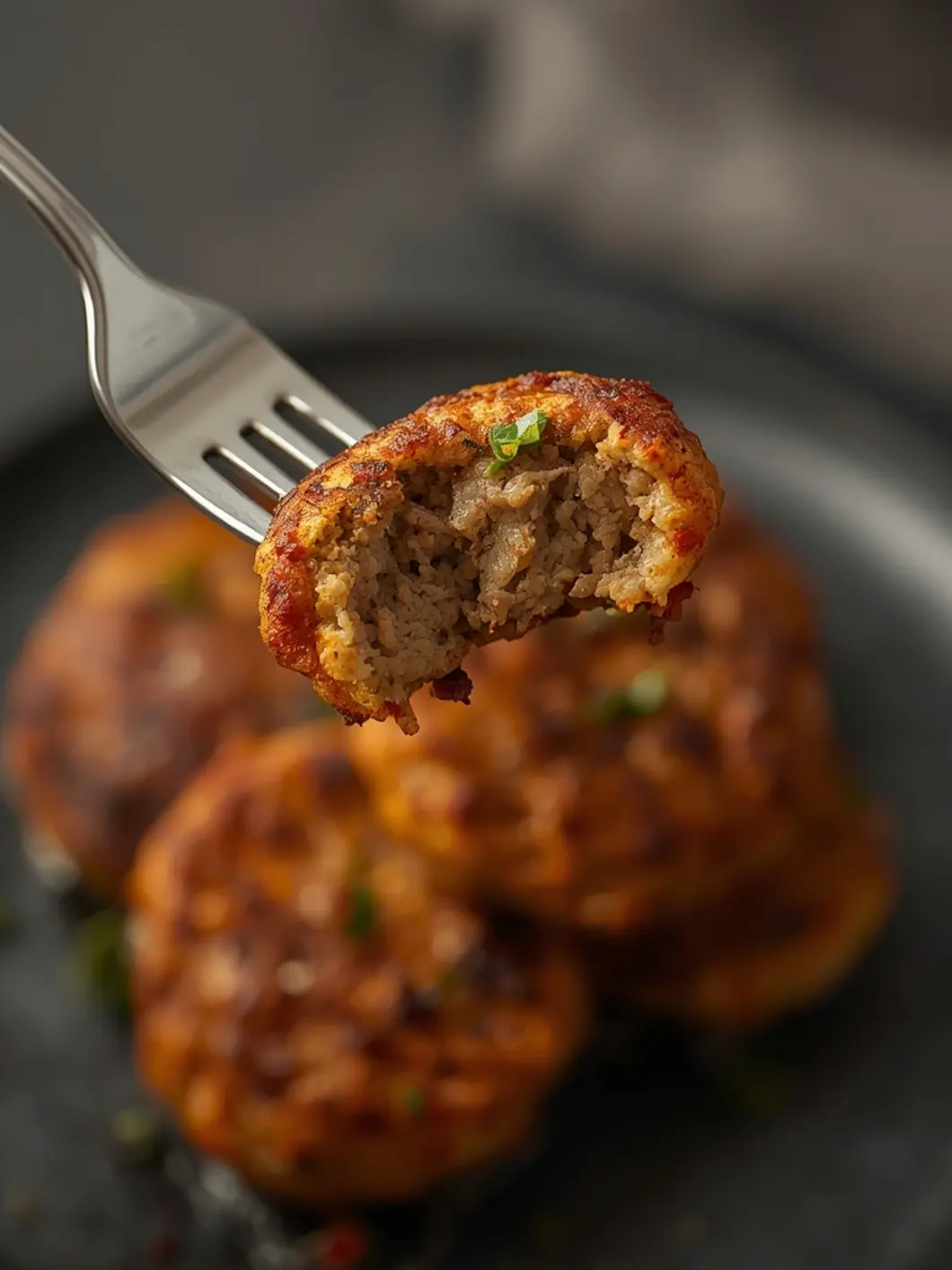
When you cook sausage on the stovetop, you often start with a cold pan or a pan that fluctuates in temperature as you add cold meat. The air fryer provides a constant, relentless ambient heat.
The primary reason air fryer frozen sausage wins over the skillet is the rendering process. In a pan, the fat stays in contact with the meat, essentially boiling it. In the air fryer, gravity pulls the rendered fat through the grate, leaving the patty “frying” in its own oil suspended on a bed of hot air.
This method also produces significantly less grease splatter. You get the flavor of pan-frying without spending 10 minutes scrubbing your stovetop afterward.
It also handles large batches far better. Whether you are cooking for a family or preparing a bulk meal prep session, the air fryer ensures every single patty receives identical heat exposure.
Finally, for those looking for breakfast for dinner, the air fryer allows you to cook the sausage and toast the buns simultaneously if your model has a multi-rack capability, streamlining the workflow.
Serving Ideas and Flavor Variations
The standard savory patty is a blank canvas. If you are using turkey sausage patties, which are leaner, the air fryer method prevents them from turning into dry hockey pucks.

For a sweet-savory twist, brush the patties with a tiny amount of maple syrup during the last 2 minutes of cooking. The sugar caramelizes instantly under the 380°F air flow, creating a glaze.
One of my favorite easy dinner ideas involves crumbling the cooked patties and tossing them into a pasta dish with a cream sauce. The high heat of the air fryer gives the crumbles a texture that holds up against the sauce.
If you are looking for variety, explore different air fryer recipes that use the same temperature and timing. This 380°F/10-minute baseline works remarkably well for frozen chicken patties or fish fillets, making the air fryer a versatile hub for frozen foods.
Common Mistakes When Cooking Frozen Sausage
The most frequent error is overcrowding the basket. If you fill the basket completely, the air cannot circulate, and the sausages will steam rather than fry. Cook in batches if necessary.
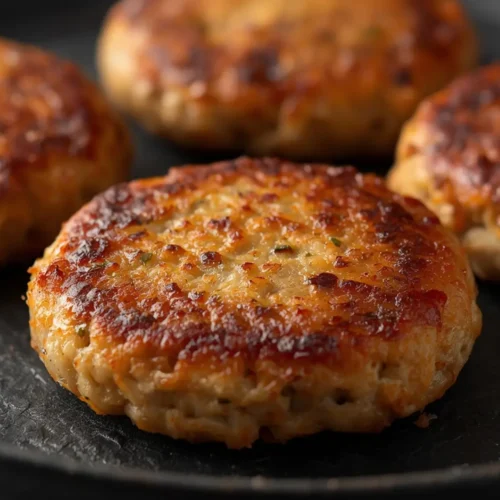
Another mistake is ignoring the “flip” instruction. Skipping the flip at the 5-minute mark results in a distinct visual difference between the top and bottom, and often leads to the bottom burning while the top remains rubbery.
Many cooks also rely on time alone rather than visual verification. Cooking times for Frozen Sausage Patties in Air Fryer can vary slightly by brand thickness. Always check the texture and color.
Finally, piercing the sausage with a fork before cooking is a bad idea. It releases internal moisture that creates steam. We want to keep that moisture locked inside while crisping the exterior.
How to Store and Reheat Leftovers
If you have leftover cooked patties, allow them to cool completely before placing them in an airtight container. They will keep in the refrigerator for up to 3 days.
When you are ready to enjoy them again, the air fryer is still the best tool. Reheat the patties at 350°F for 2 to 3 minutes. This is a lower temperature than the initial cook to prevent over-browning the edges.
For those planning ahead, these patties freeze well. Flash freeze them on a baking sheet first, then transfer to a freezer bag. You can cook them directly from frozen using the original 380°F/10-minute method, though you may need to add 1-2 minutes.
Ready to Fire Up Your Air Fryer?
With precise temperature control and the right flipping technique, you can turn a simple frozen staple into a crispy, juicy centerpiece. The 380°F/10-minute approach removes the guesswork and delivers consistent results.
Keep this method in mind for those busy nights when you need fast, satisfying food. The best frozen foods are those that retain their texture, and this technique ensures exactly that.
Nutrition Facts (Per Serving)
Perfectly Crispy Frozen Sausage Patties in Air Fryer

Equipment
- Air Fryer
- Tongs
Ingredients
Main Ingredients
- 1 lb Frozen Sausage Patties Any brand, straight from freezer
- 1 tbsp Olive Oil Spray Optional for extra crispiness
Instructions
- Preheat your air fryer to 380°F (193°C) for 3-5 minutes. This ensures the patties start searing immediately.
- Arrange the frozen sausage patties in a single layer in the air fryer basket. Do not overcrowd; leave space between for air circulation.
- Cook for 5 minutes. The patties will begin to thaw and release fat. (Tip: If using thinner brands like Jimmy Dean, reduce time by 1 minute. Thicker brands like Tyson need the full 5 minutes).
- Use tongs to flip each patty over carefully. Spray the tops lightly with olive oil spray if you prefer a crispier finish.
- Cook for another 4 to 6 minutes. Check internal temperature with a meat thermometer; it should reach 160°F (71°C) for pork.
- Remove patties and let them rest on a plate for 2 minutes. The residual heat finishes cooking and keeps them juicy.
Video
Frequently Asked Questions
Can I substitute other types of frozen sausage patties in this recipe?
Yes, you can substitute other frozen breakfast meats like turkey sausage, chicken sausage, or vegetarian/vegan sausage patties. Cooking times may vary slightly; thinner patties may cook faster, so start checking them about 2 minutes before the suggested time and adjust as needed.
How should I store leftover cooked sausage patties?
Allow the cooked patties to cool completely, then store them in an airtight container in the refrigerator for up to 3-4 days. For longer storage, freeze them in a single layer on a baking sheet before transferring to a freezer bag for up to 2 months.
Can I prep sausage patties ahead of time?
While you cannot prep raw frozen patties ahead, you can cook a batch and refrigerate or freeze them for quick meals. Reheat as needed using the air fryer for best results. This is ideal for meal prepping breakfast sandwiches or sides.
What’s the best way to reheat the sausage patties?
Reheat in the air fryer at 350°F (175°C) for 2-3 minutes until hot and crispy. Avoid microwaving, as it can make them soggy. If reheating from frozen, add an extra minute and check for doneness.
What are some serving suggestions for these crispy sausage patties?
Serve them alongside eggs and toast for a classic breakfast, crumbled over a salad for added protein, in a breakfast sandwich with English muffins and cheese, or as a topping for pancakes or waffles for a sweet-savory combo.
Have more questions? Leave a comment below and we’ll help you out!

I decided to test a turkey sausage brand which usually dries out easily, but keeping the temp at 380°F kept them incredibly moist with a snap to the bite. Wednesday nights are chaotic in our house, and this has become our go-to ‘breakfast for dinner’ savior. The kids love the crispy texture, and I love that I’m not standing over a hot stove flipping patties while managing homework help. Have you tried mixing pork and turkey patties in the same batch to cut down on grease? I’m curious if the different fat contents affect the cooking time much.